How to Choose a Virtual Bee Platform (2026 Buyer’s Guide)
A practical buyer’s guide to choosing a virtual bee platform in 2026 — what to weigh on remote monitoring, weight tracking, WiFi vs cellular vs LoRaWAN gateways, and software that doesn’t need a tech degree.
What a "Virtual Bee Platform" Actually Is
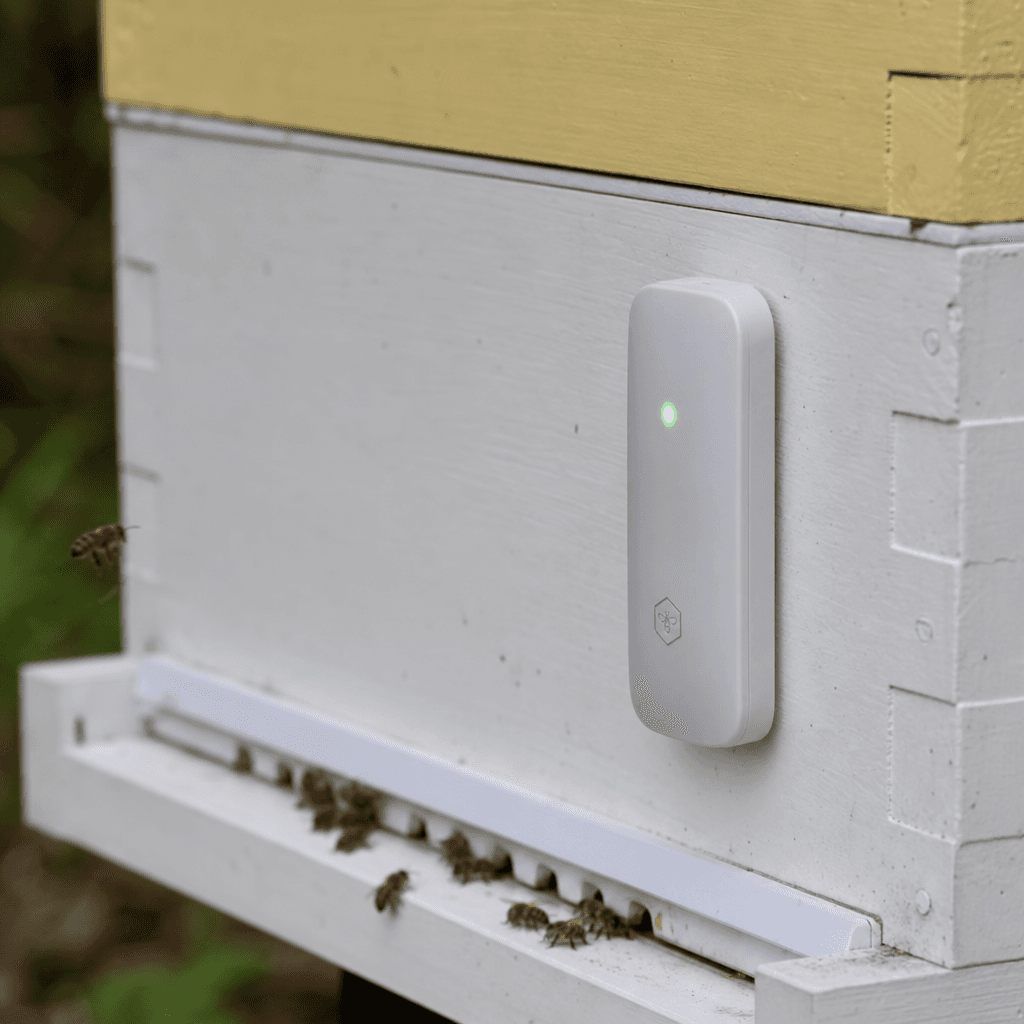
A virtual bee platform is the combination of sensors in the hive and software on your phone that lets you check a colony's condition without opening it. The sensors read temperature, humidity, and weight; a gateway carries those readings to the internet; an app turns the numbers into something you can act on.
If you're shopping for one, the right question isn't "is this technology good?" — most of it is. The question is which platform fits your yard, your skill level, and your budget, because the wrong fit is worse than no platform at all (data you ignore, batteries you're forever swapping, an app you never open). This guide walks the five decisions that actually determine whether a platform earns its place. If you want the underlying "what makes a hive smart" primer first, read smart beehives explained and come back — this post assumes you already know the sensor basics and focuses on choosing.
Decision 1: Remote Monitoring vs. Opening the Hive
Every physical inspection costs the colony something. Cracking the lid releases the brood-nest warmth the bees worked to build, risks rolling the queen under a frame, and sets off defensive behavior that burns energy. A platform's first job is to let you answer "are they okay?" without paying that cost.
Continuous monitoring catches things a weekly inspection can't: a brood-temperature drop the day it happens, a nighttime weight loss that signals robbing, a humidity creep that precedes disease. You still inspect — sensors don't show you queen cells or chalkbrood — but you inspect on evidence instead of on schedule, which means fewer disruptive openings and earlier catches.
When you weigh a platform here, ask: how often does it sample, and does it alert on change (a deviation from this hive's normal) rather than just fixed thresholds? Change-based alerts are far more useful than a generic "temperature above X."
Decision 2: Does It Track Weight Well?
If you only get one sensor's worth of value from a platform, make it the hive scale. A continuous weight graph is the single most information-dense reading in beekeeping. It shows you four things nothing else does:
- Nectar flow starting — weight climbs through the day as foragers return.
- Nectar curing — overnight weight dips slightly as bees evaporate water from nectar into honey.
- Baseline consumption — the slow daily decline as the colony eats its stores.
- Trouble — a sudden drop (a swarm leaving, or robbing) or a winter decline steep enough to mean starvation is coming.
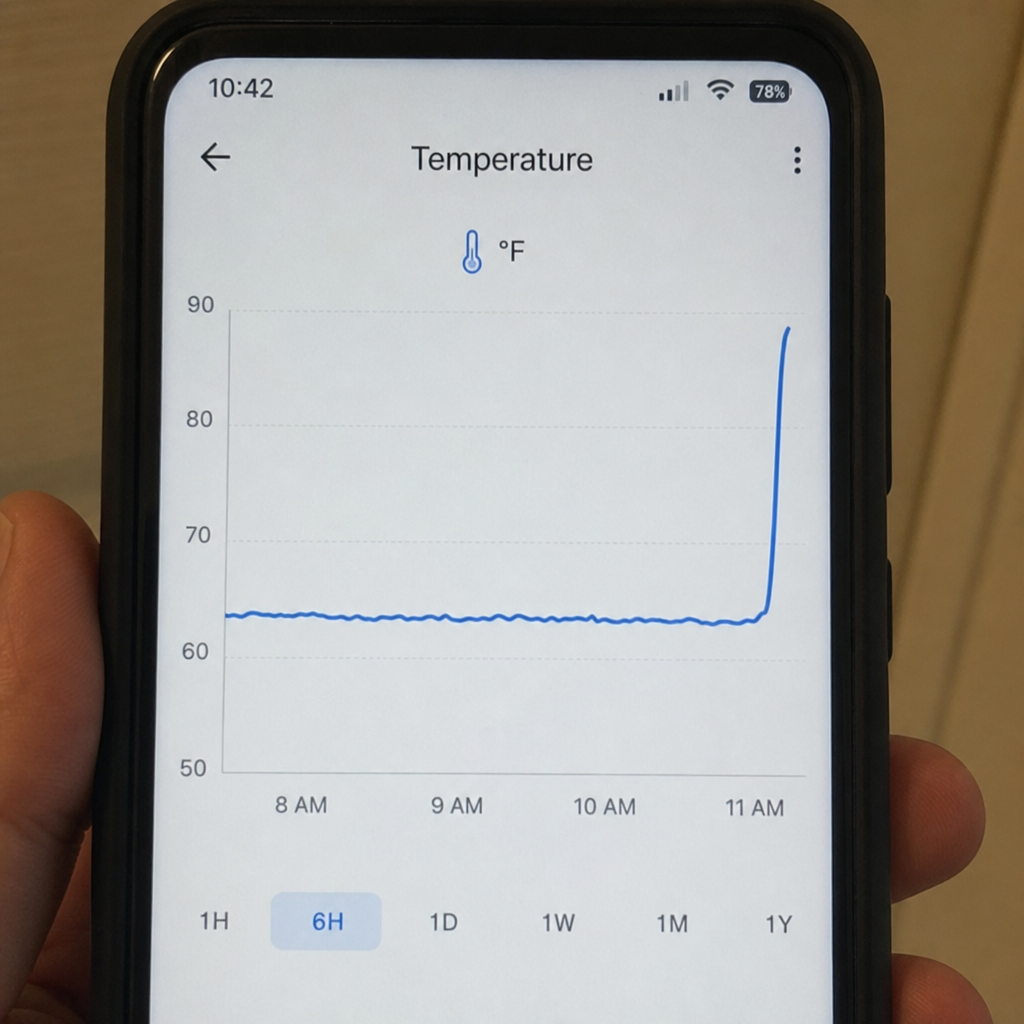
A platform that reads weight in near-real-time and can fire a starvation alert in December — when you'd otherwise have no idea the cluster was running out of food — is doing something paper records simply cannot. When comparing platforms, check the scale's resolution and how it handles a two-hive or multi-hive setup; some only support one monitored hive cleanly.
Run Any Platform’s Data Through One Timeline
Read your sensors’ numbers next to your inspection notes — no vendor lock-in, works offline in the yard.
Decision 3: WiFi vs. Cellular vs. LoRaWAN
This is where a lot of buyers pick wrong. The sensor is useless if its data can't reach you, and how it gets out depends entirely on where your hives sit. A platform forces a gateway choice; match it to your field, not to the marketing.
| Gateway | Best for | Range | Battery cost | Watch out for |
|---|---|---|---|---|
| WiFi | Backyard hives near the house | ~150 ft from router | High drain | Dead zones past the garden; weak signal at the hive |
| Cellular | Remote yards with good mobile coverage | Anywhere with a signal | High drain | Needs a data plan; fails in rural no-service pockets |
| LoRaWAN | Out-yards in rural dead zones | Miles | Very low drain | Needs a LoRa gateway; smaller app ecosystem |
The short version: backyard → WiFi is fine. Remote yard with coverage → cellular. Rural dead zone → LoRaWAN (long range, sips battery). If a platform only offers WiFi and your bees live a half-mile down a tree line, it's the wrong platform no matter how good the app is. Our walkthrough of setting up BroodMinder sensors covers the Bluetooth-collect model, which is a fourth option for yards you visit regularly and don't need live data from.
Decision 4: Software You Don't Need a Tech Degree For
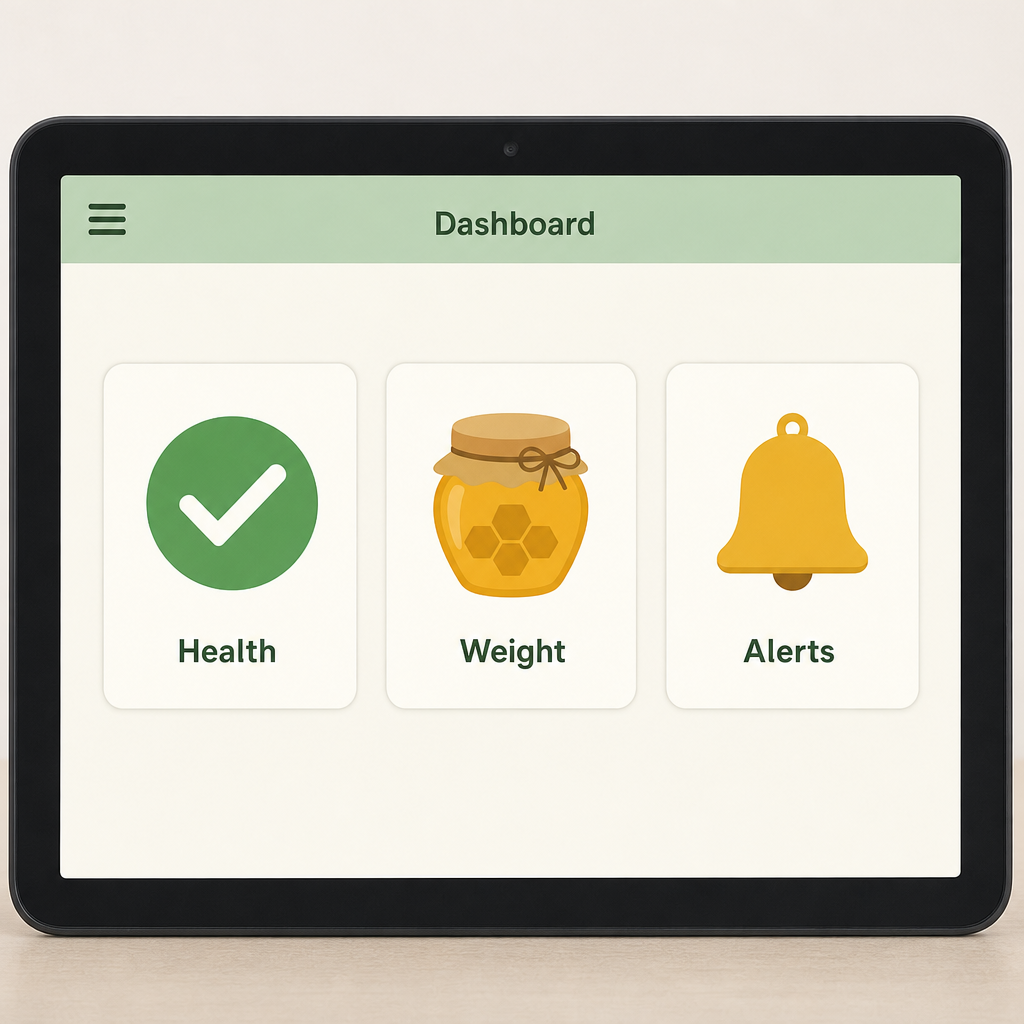
Raw sensor numbers are noise. A good platform does the interpreting for you — instead of "this hive weighs 80 lb," it tells you "stores are low, consider feeding" or "weight jumped, the flow is on, add a super." That translation from data to decision is the whole point, and it's where platforms differ most.
Two things to insist on:
- Actionable alerts, not just charts. Push notifications that suggest what to do beat a beautiful graph you have to interpret yourself.
- Your data, portable and durable. Records you can export (CSV/JSON/PDF) and that survive a lapsed subscription mean you own your hive history instead of renting it. This matters the day a company gets acquired or shuts a feature off — see why data ownership is worth weighting heavily.
The best setups also let sensor readings sit on the same timeline as your written inspection notes, so "weight dropped 1.5 kg this week" lines up with "saw queen cells on frame 6." Most platforms keep those in separate apps; unifying them is the real upgrade. That's the gap our apiary management software is built to close — and our unify hive sensors page shows how it works in practice.
Decision 5: Start With One Hive, Not the Whole Yard
The most common mistake is wiring up every colony on day one. You don't need to. Treat the first season as a pilot: instrument one strong "monitor" hive, learn to read its rhythms, and expand only once the platform has proven it removes a real frustration. A platform that starts simple and grows — rather than forcing an all-in commitment — is the safer buy, especially if you're not sure yet how much of this you'll actually use.
How to Install Your First Sensor
A low-risk path that works with almost any platform:
- Audit your site's signal first. Stand at the hive and check WiFi/cellular bars, or confirm LoRa coverage. Signal decides your gateway, so settle it before you buy.
- Instrument one hive, not the yard. Pick a strong colony as your "monitor" hive and place the scale and temp/humidity sensor there.
- Set one simple alert. Start with a single temperature-change threshold. Add weight and humidity alerts once you trust the first one.
The Bottom Line
A virtual bee platform is worth it when distance, scale, or season puts a wall between you and the hive — an out-yard an hour away, a dozen colonies, or winter months when opening up does more harm than good. Choose on fit, not features: match the gateway to your field, demand software that gives you decisions instead of charts, insist your data is exportable, and start with one hive. Get those five right and the platform becomes a daily partner that works alongside your instincts — not a gadget you stop checking by July.
Run Any Platform’s Data Through One Timeline
Read your sensors’ numbers next to your inspection notes — no vendor lock-in, works offline in the yard.
Free for up to 15 hives. No credit card required.
Use HiveSense for this
More from the blog
View allSmart Beehives: The Latest Innovations in 2026
What actually makes a beehive "smart" in 2026 — the sensors, solar power, AI alerts, and apps behind modern hive monitoring, and which innovations are worth the money for a hobbyist.
Is a Smart Hive App a Real Upgrade — or a Lateral Move?
A clear, honest test for whether switching to a modern beekeeping app is a genuine upgrade or just a sideways step. Five questions that tell you when offline-first, voice, and sensor features actually change your beekeeping — and when a simpler logbook is fine.