Elap
elapcolony loss
ELAP for Beekeepers: The Records a Colony-Loss Claim Needs
What ELAP actually covers for honeybee losses, the documentation FSA asks for, and the records to keep now so a claim is possible later.
Sep 24, 20268 min readRead
Practical guides, treatment schedules, and app comparisons to help you manage your hives better.
What ELAP actually covers for honeybee losses, the documentation FSA asks for, and the records to keep now so a claim is possible later.
Precision beekeeping means managing each colony by its own measured data. Here is what the research term covers, what sensors add, and how to start with just records.
What published studies say about phone-camera and AI varroa counting, where the machines go wrong, and why the alcohol wash is still the reference method in 2026.
How to tell the Asian (yellow-legged) hornet from native hornets, the official place to report it in your country, what the evidence says about apiary defence, and how to log sightings.
What AI hive health analysis can genuinely detect from hive sensor data between inspections, and the four things it cannot see, including varroa load.
How to run a shared apiary for a beekeeping club, mentor pair or family: what records to centralize, how to assign roles, and what breaks without a plan.
What it costs to start beekeeping in 2026, line by line: hive, bees, gear, tools, feeding and mite control, priced from real US suppliers for one hive and two.
Why winter oxalic acid works best in the broodless window, how to tell you are in it, the current US label doses, and when to leave the hive closed.
Where the queen actually sits in the nest, what separates her from a worker at a glance, the six-step search that works, and what to do when you cannot find her.
Finding a beekeeping mentor is the fastest way to learn — but most guides stop at "join a club." Here's where to actually look, what to ask, and how to get the most out of every hive visit once you've found one.
The September beekeeping checklist that decides winter survival: verify your varroa treatment with a 10–14 day wash, feed 2:1 syrup by weight, check stores, combine weak colonies, and fit mouse guards — with the three deadlines that make each one count.
Amitraz resistance is documented in US mite populations — the Y215H marker has a name and the 2026 field data is in. Here is the 3-year rotation plan that keeps every treatment class working: the table, the wash-test check, and the 10–14 day verification step.
August 1–15 was the SERP-wide "no later" line for summer oxalic-acid vaporization, and that window has closed for 2026. Miss the broodless window and OA efficacy drops from ~95% to under 50%. Here is the decision guide — the three-signal check, the 5-day protocol, and the two escape hatches when capped brood is still present. Treating later than this? See the fall thresholds instead.
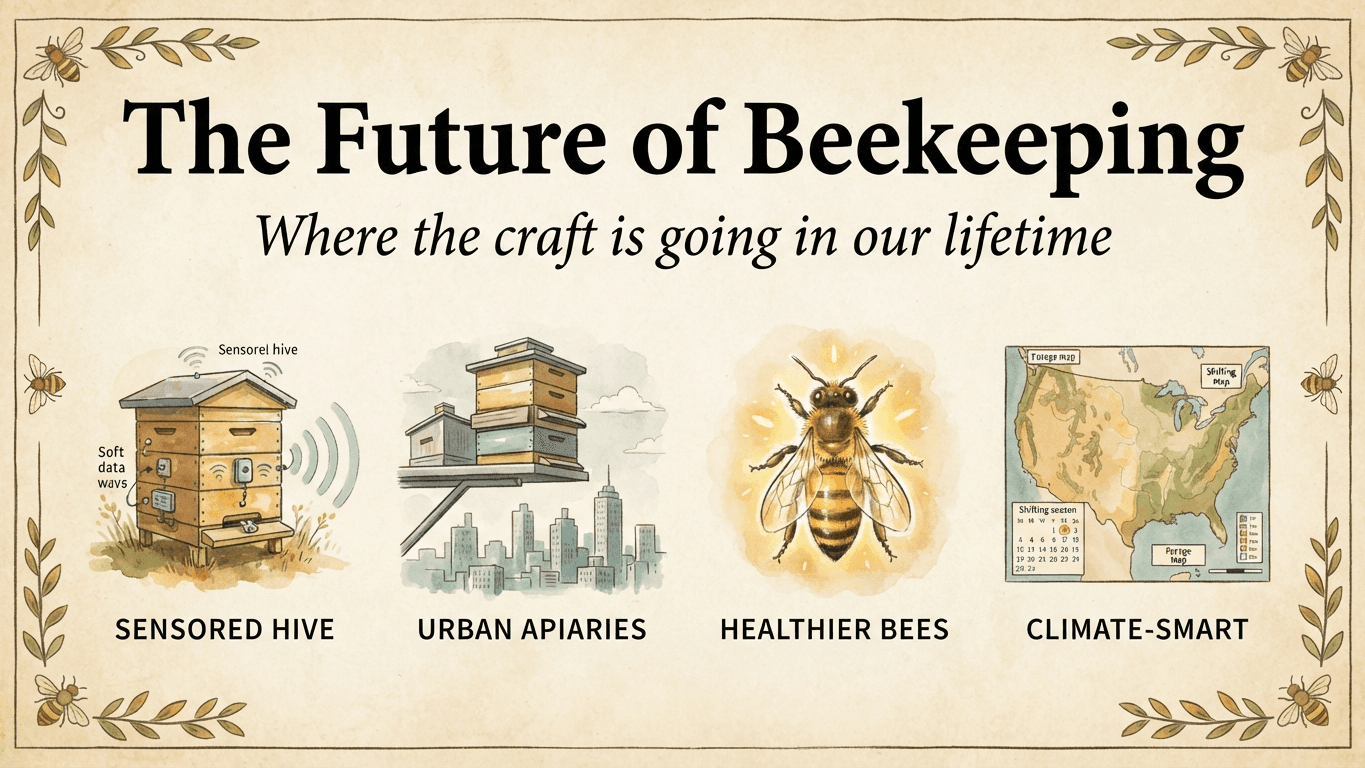
An honest look at where beekeeping is heading — sensored hives and AI alerts, vertical and urban apiaries, bee vaccines and RNA mite control, and climate-driven management — with a clear-eyed take on what is real now versus hype.
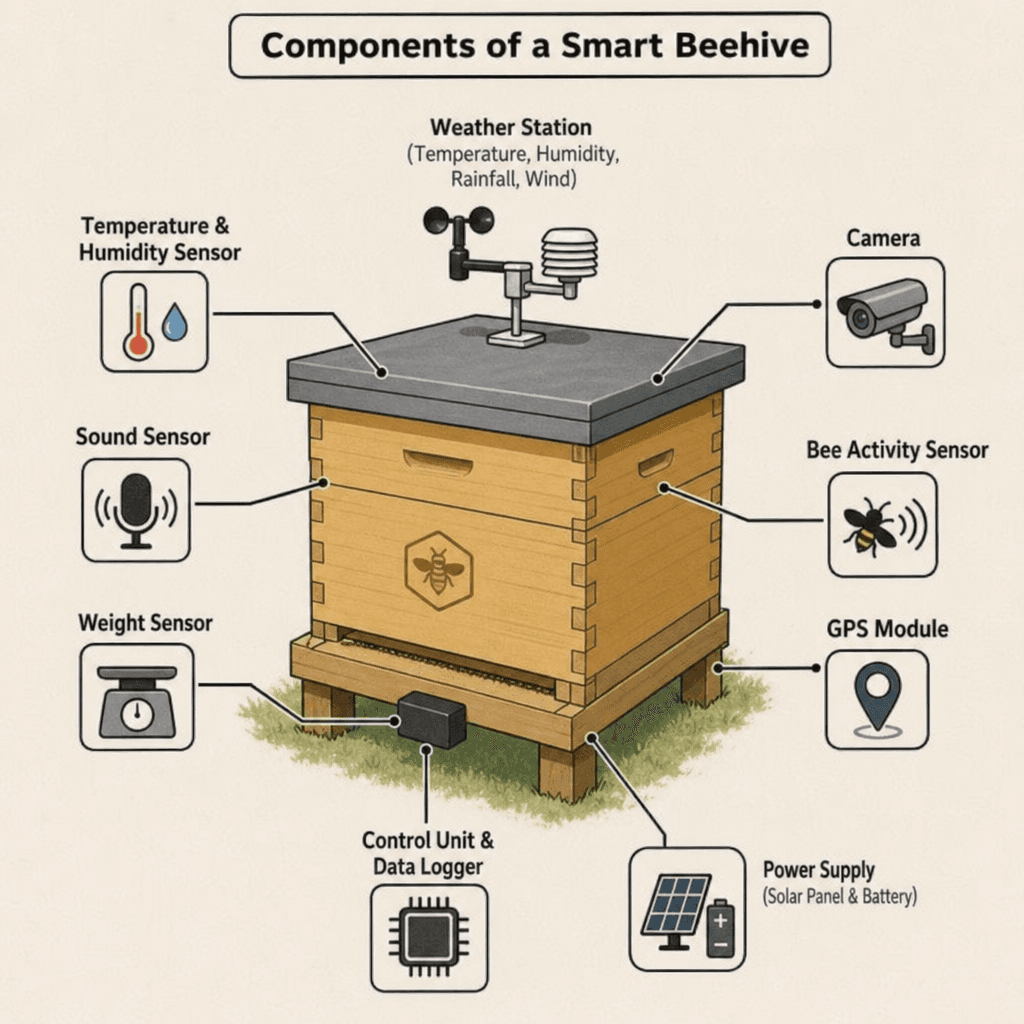
What actually makes a beehive "smart" in 2026 — the sensors, solar power, AI alerts, and apps behind modern hive monitoring, and which innovations are worth the money for a hobbyist.
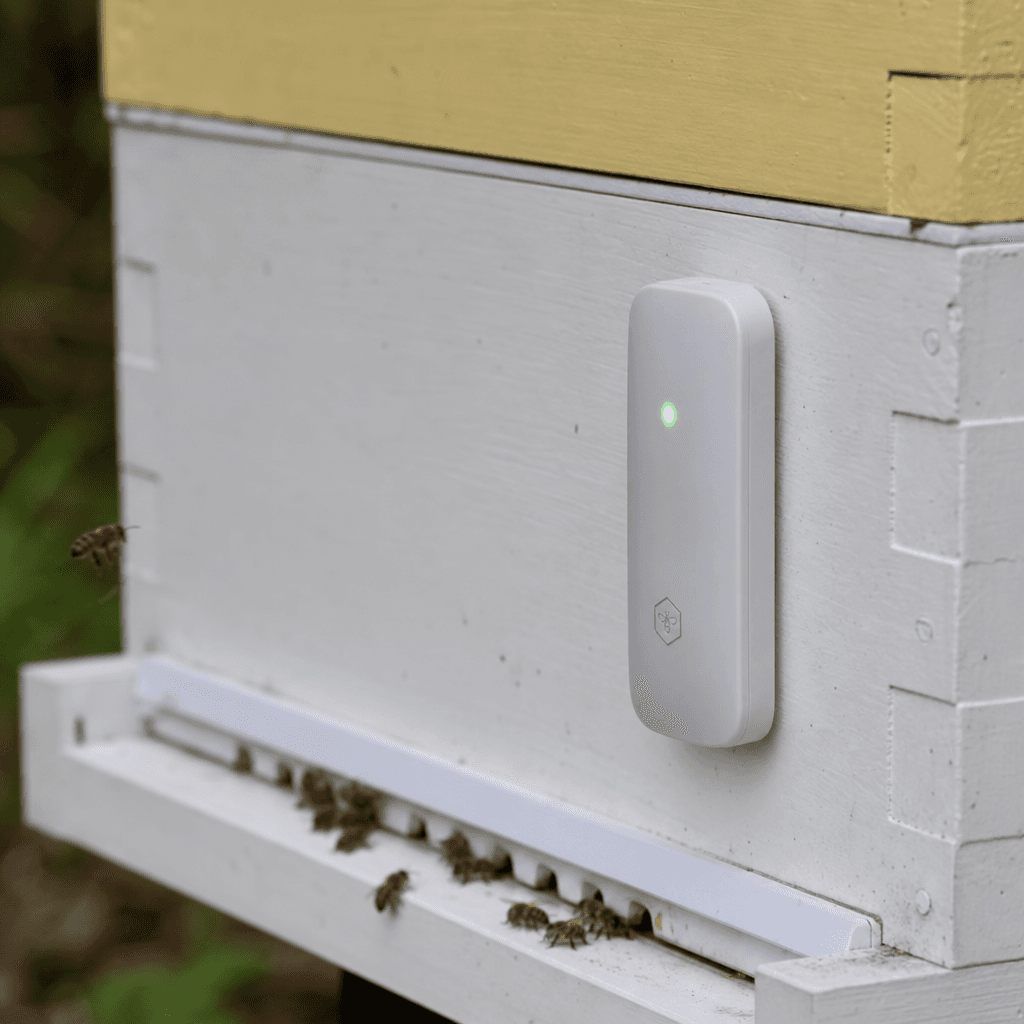
A practical buyer’s guide to choosing a virtual bee platform in 2026 — what to weigh on remote monitoring, weight tracking, WiFi vs cellular vs LoRaWAN gateways, and software that doesn’t need a tech degree.
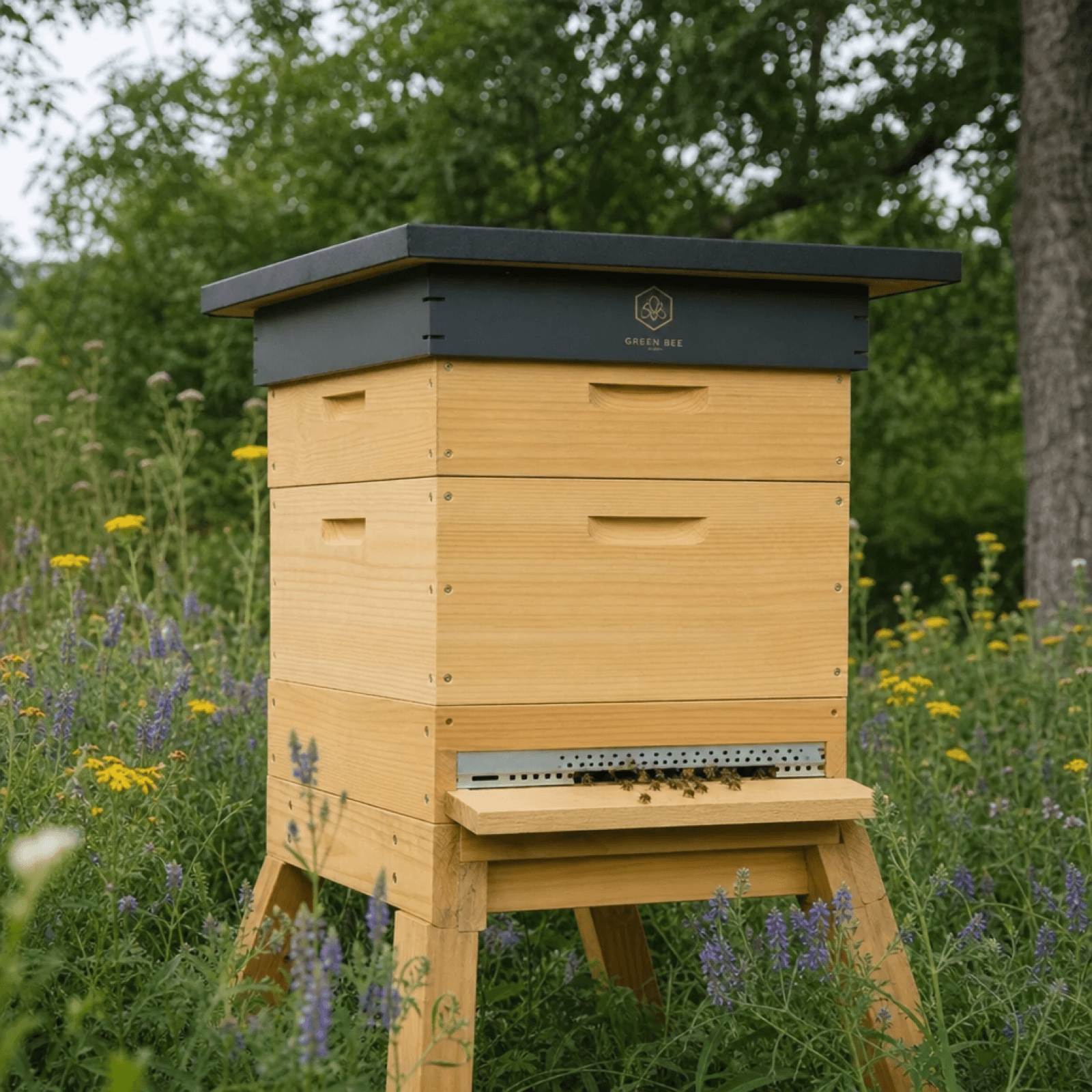
How verification, blockchain traceability, and certification are reshaping beekeeping in 2026 — plus the sustainability, urban, and climate trends driving demand for provably authentic honey.
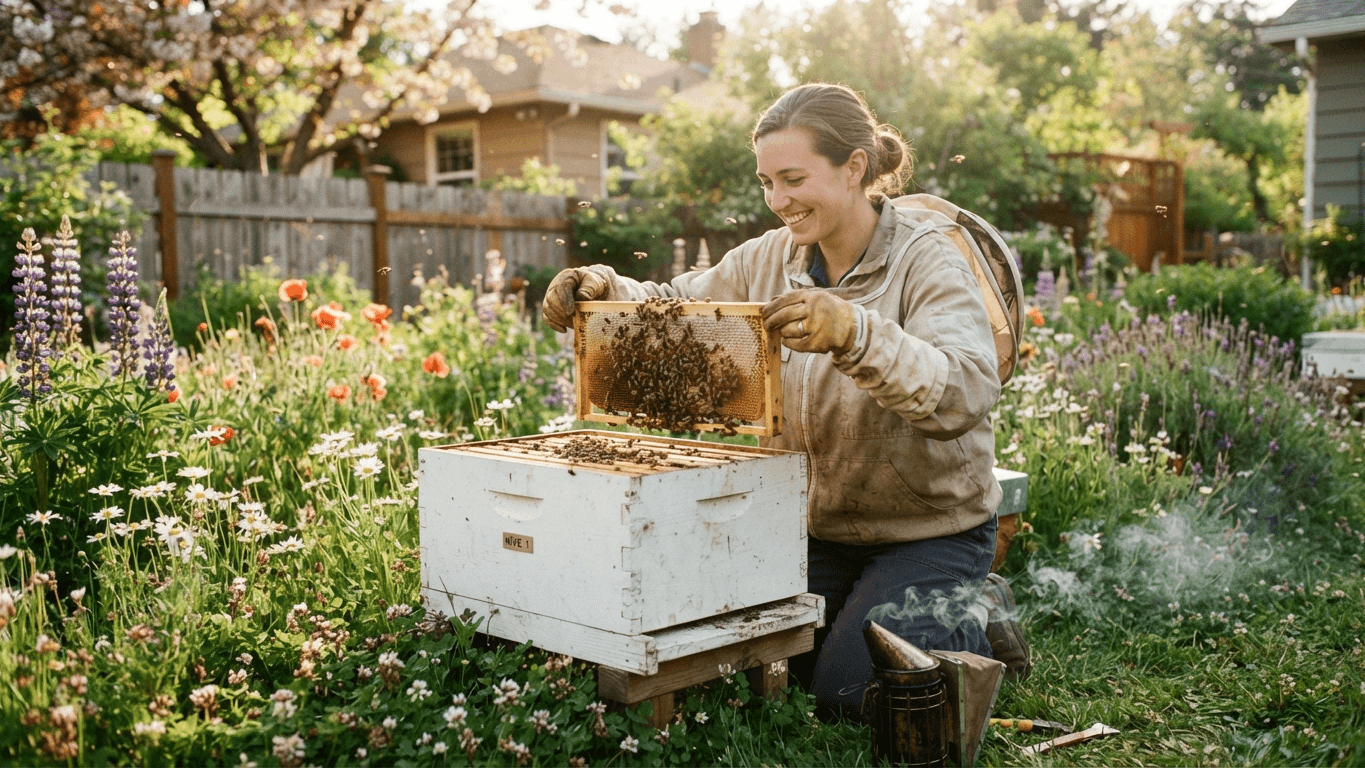
A practical first-year roadmap for starting beekeeping — what to buy, when to order bees, what your first season actually looks like, and the costs and mistakes to plan around.
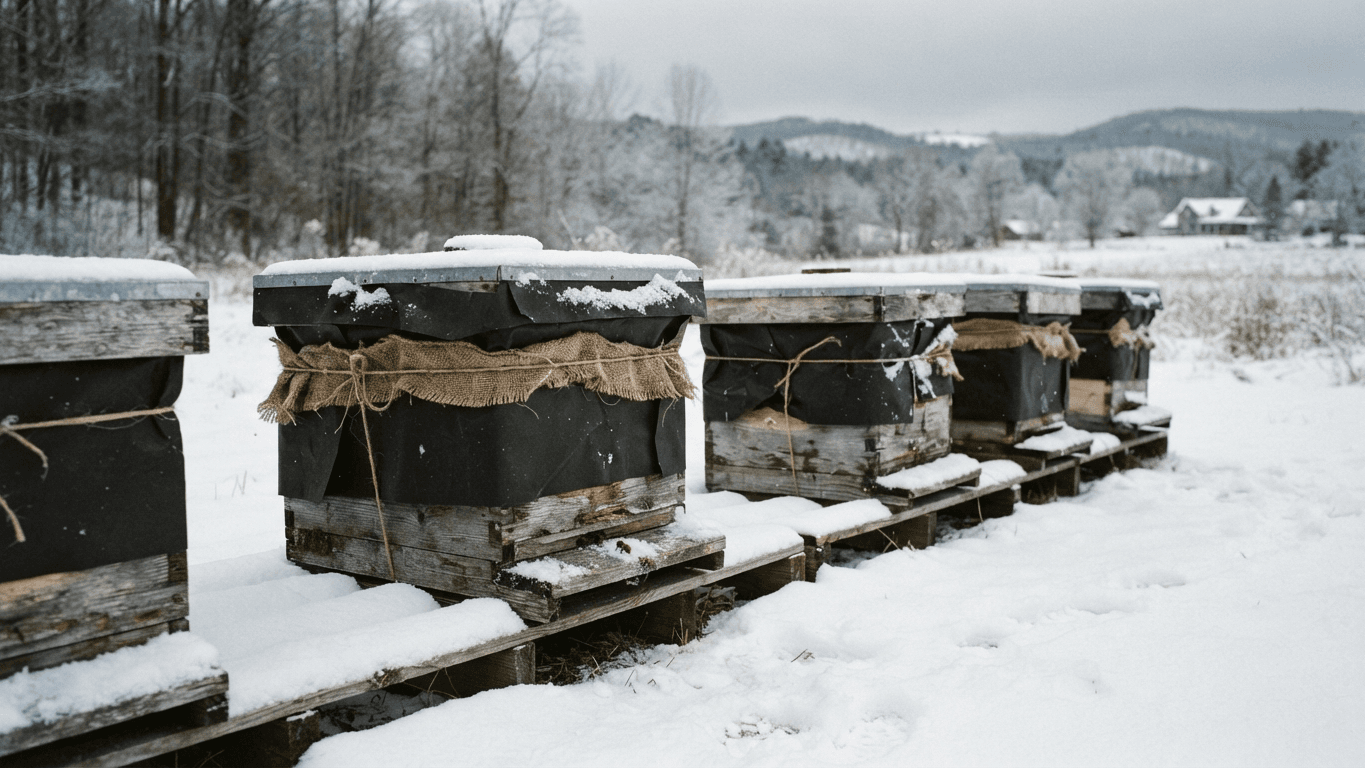
Do beehives die in winter? Yes — but rarely from the cold itself. Here is why winter colony losses really happen (Varroa, starvation, moisture) and how to prevent them.
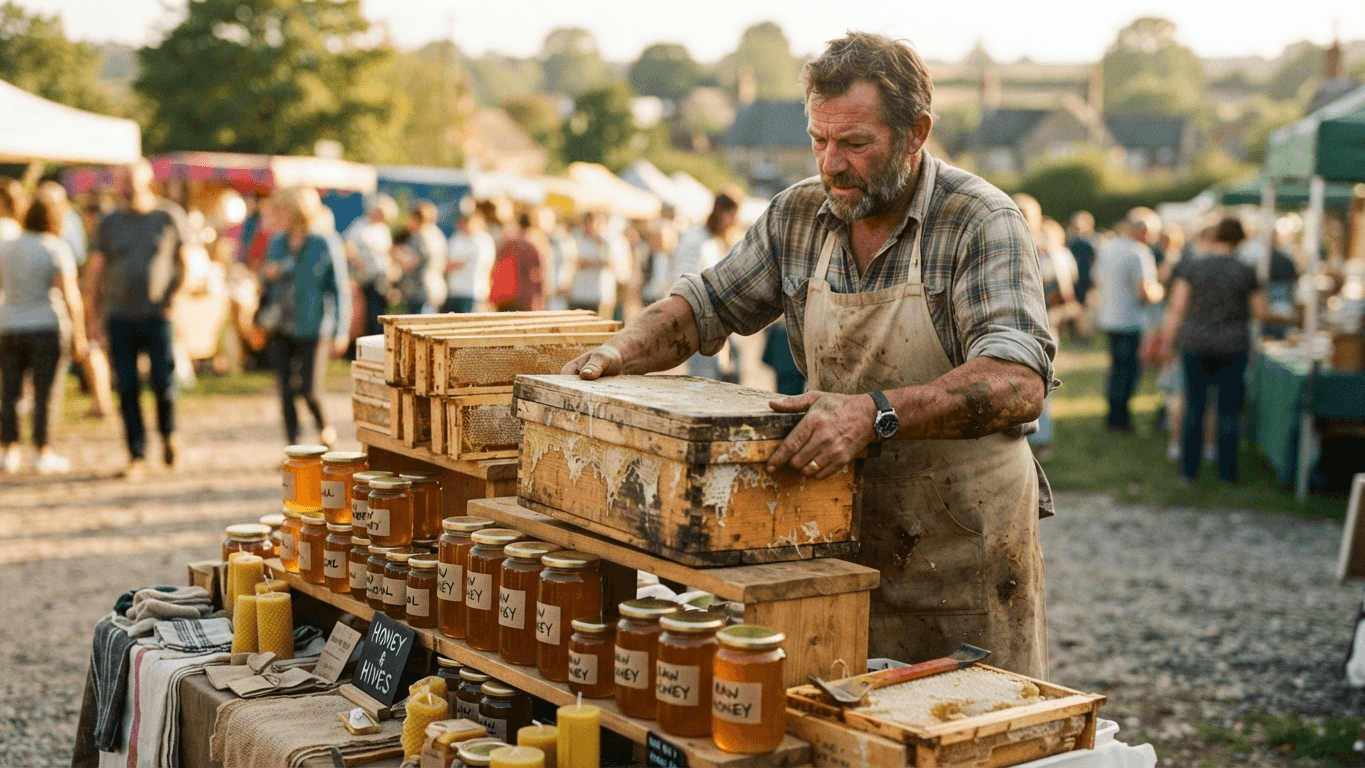
How much do beekeepers make a year? Salary aggregators say $50,500 on average — but that number measures something different from what most beekeepers actually earn. Here's the honest breakdown by hive count, revenue stream, and what the average actually includes.
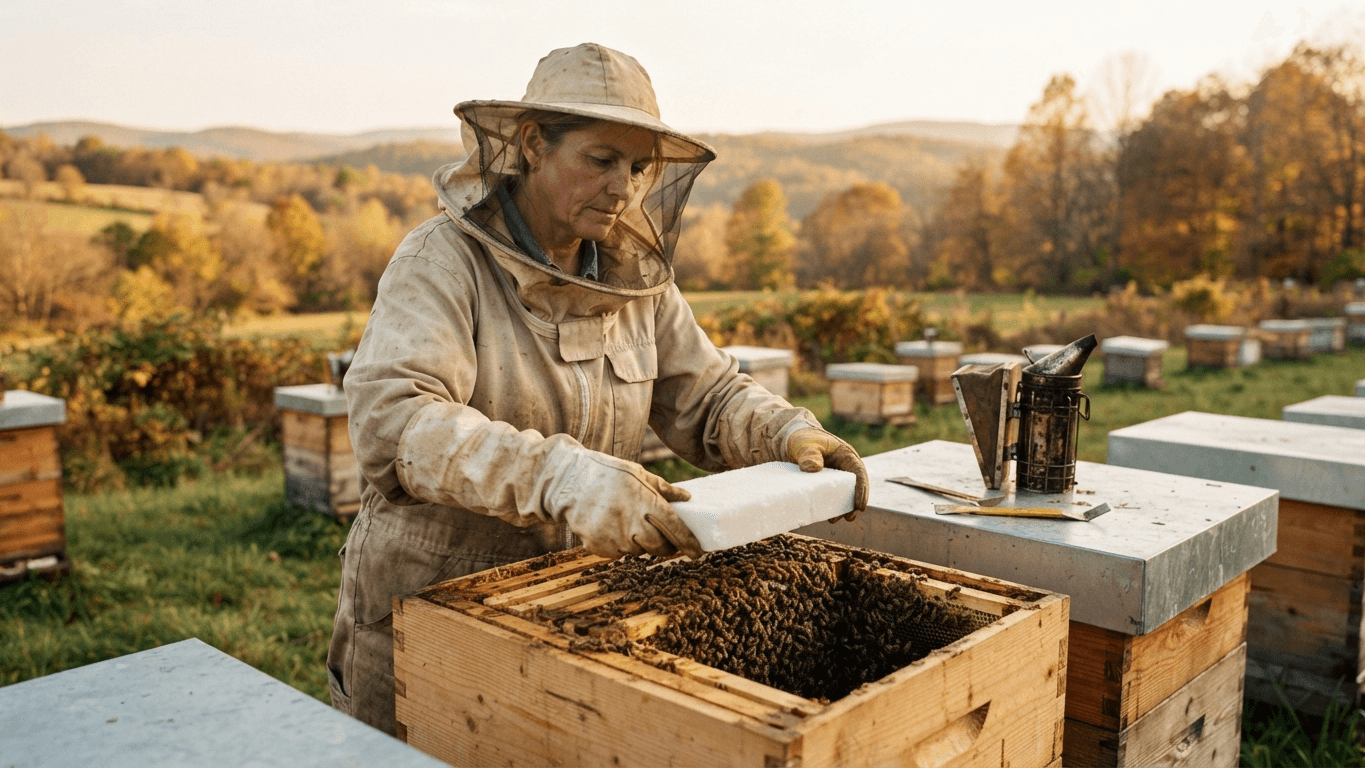
A practical guide to winter bee feeding — what to feed bees in winter, when to switch from syrup to fondant or sugar, how much they need, and how to avoid the mistakes that starve a colony.
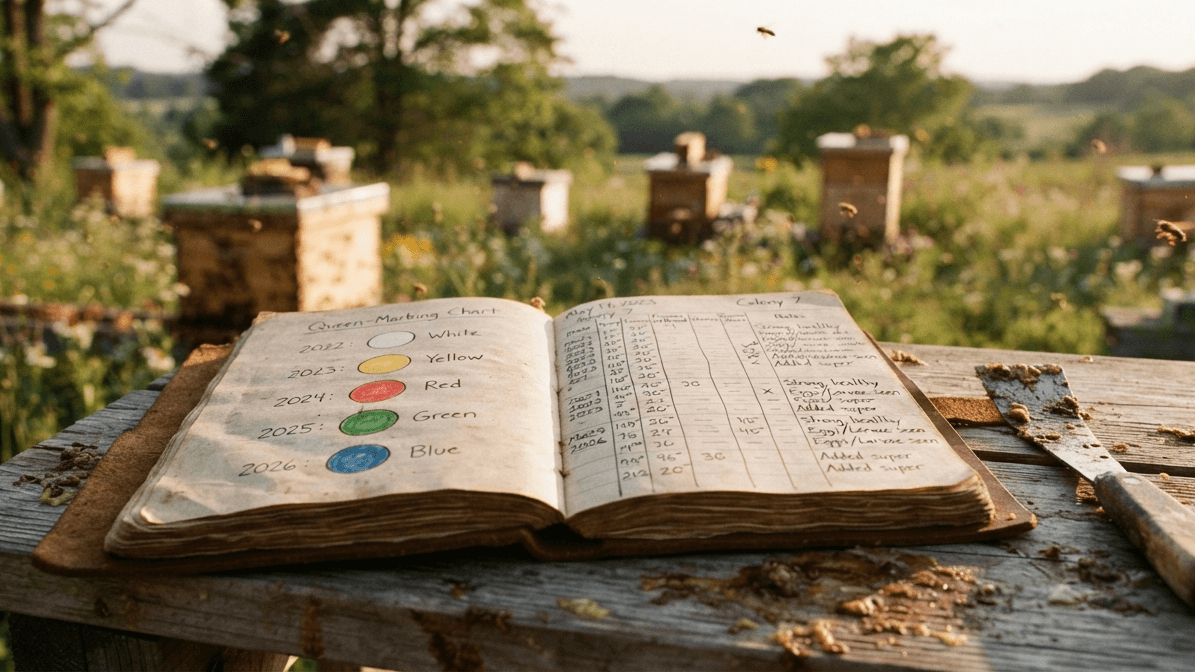
What belongs in a beekeeping logbook and how a queen rearing calendar works — the records that actually improve your beekeeping, on paper or in an app.
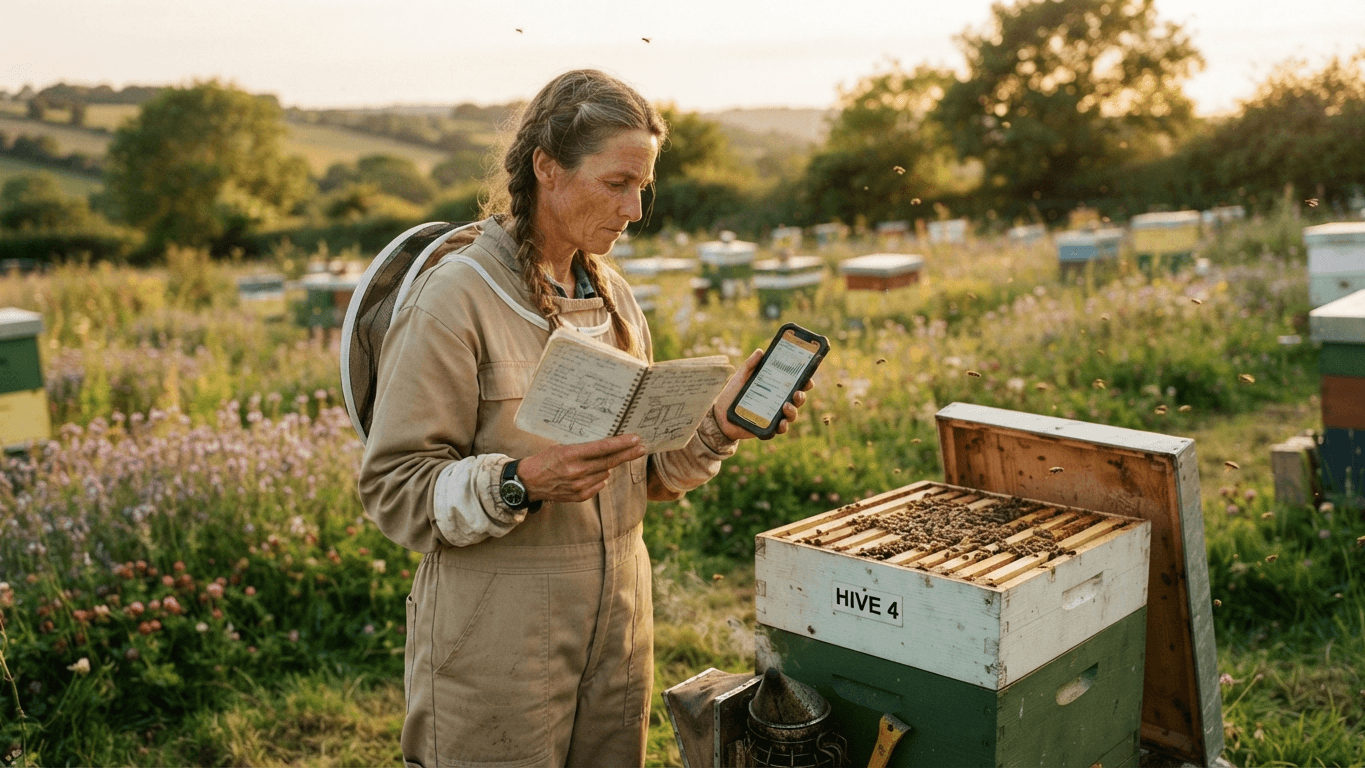
A clear, honest test for whether switching to a modern beekeeping app is a genuine upgrade or just a sideways step. Five questions that tell you when offline-first, voice, and sensor features actually change your beekeeping — and when a simpler logbook is fine.
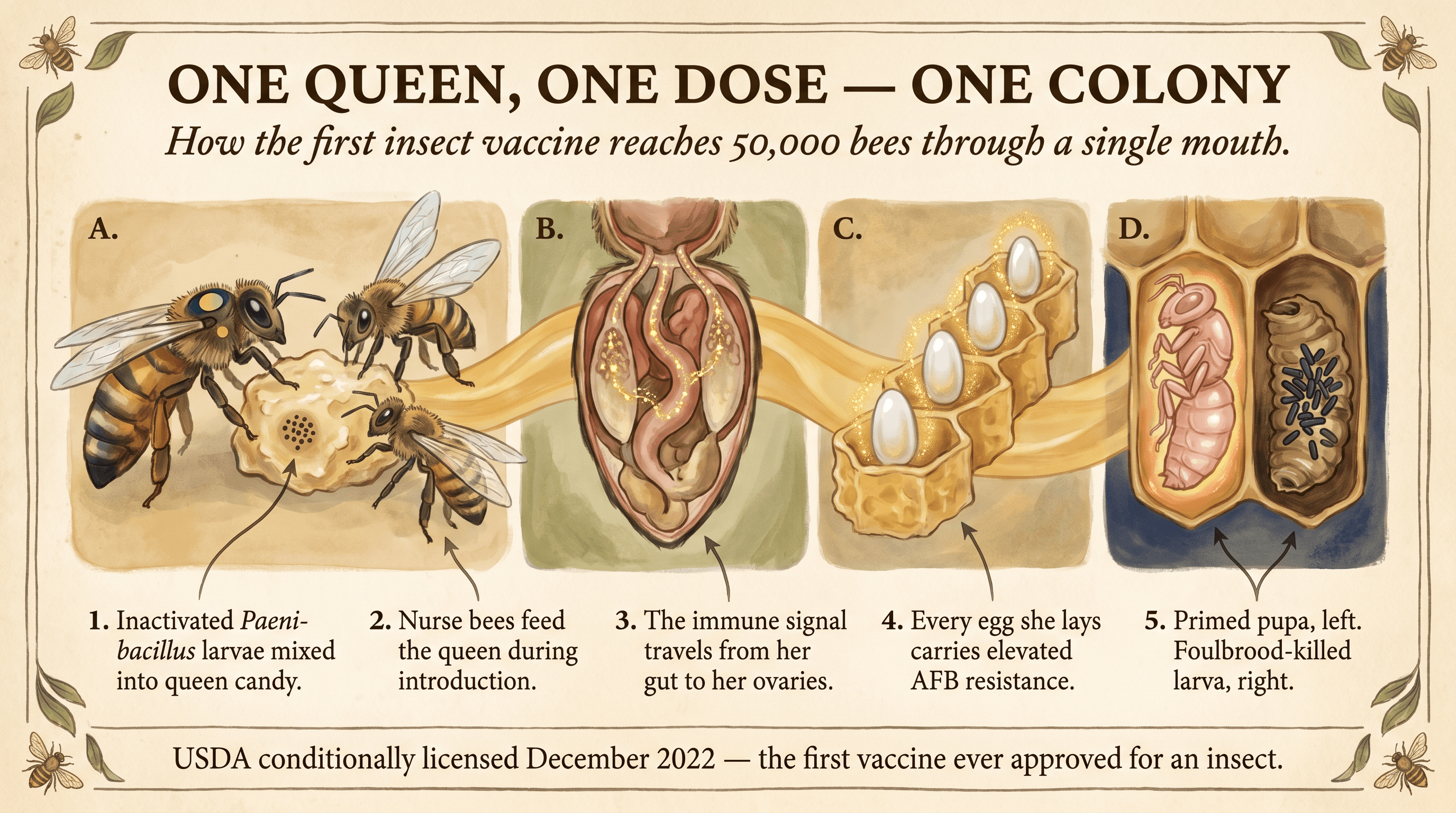
The honey bee vaccine timeline, demystified: Dalan's December 2022 conditional license, the November 2025 USDA clinical submission, and what 2027 full licensure means for your apiary planning.
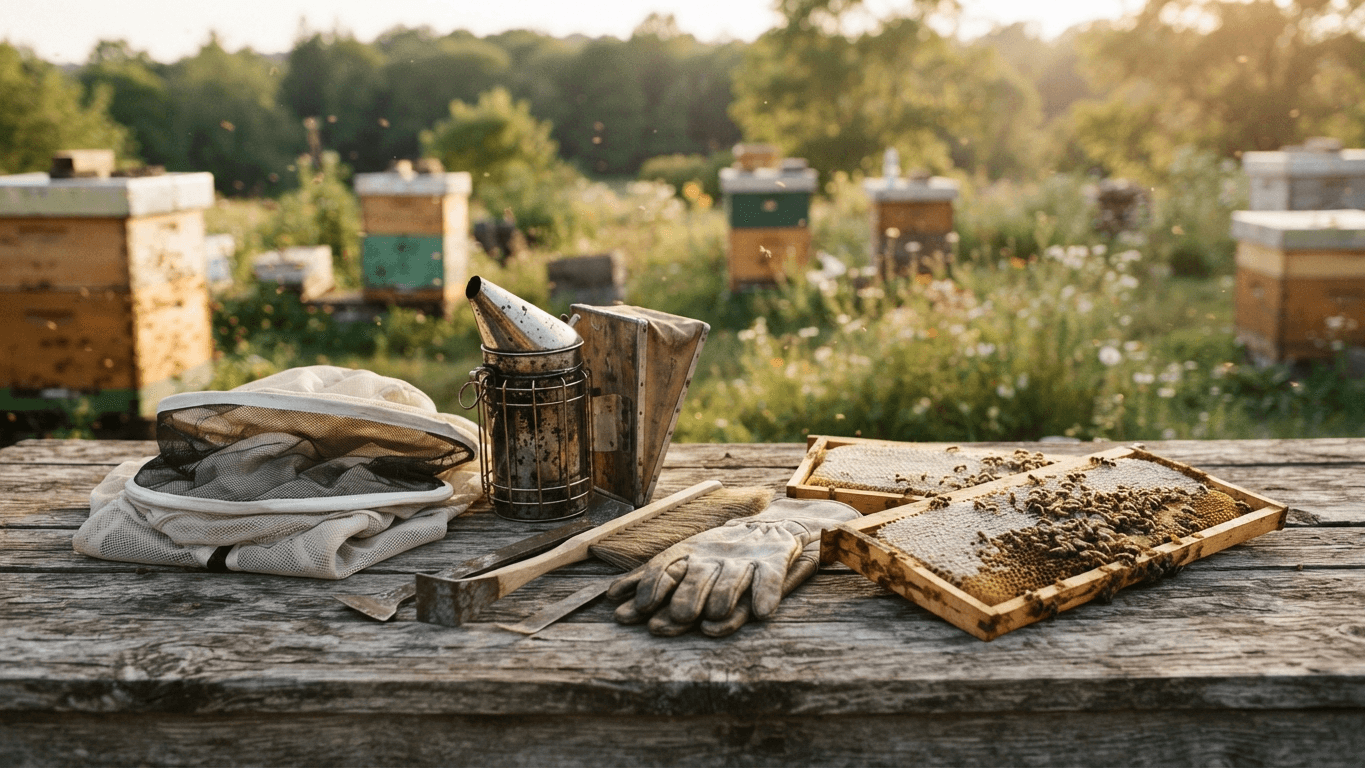
A complete 2026 beekeeping gear guide framed by app compatibility. Smokers, hive tools, suits, jackets, veils, hats, gloves, and the smart sensors that integrate directly with HiveSense.
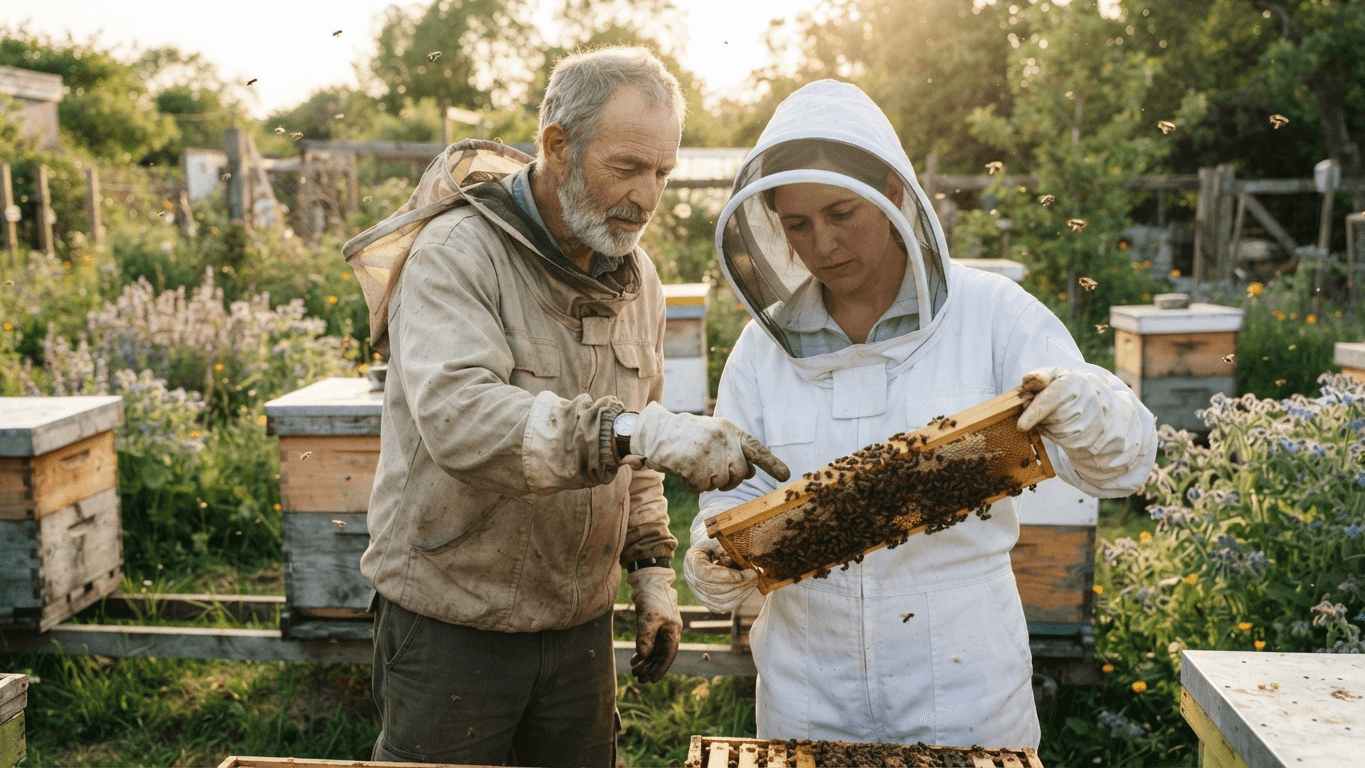
A complete plan for learning beekeeping in 2026 — beginner courses, the books worth reading, finding a mentor, and the digital field notebook that compounds what you learn.
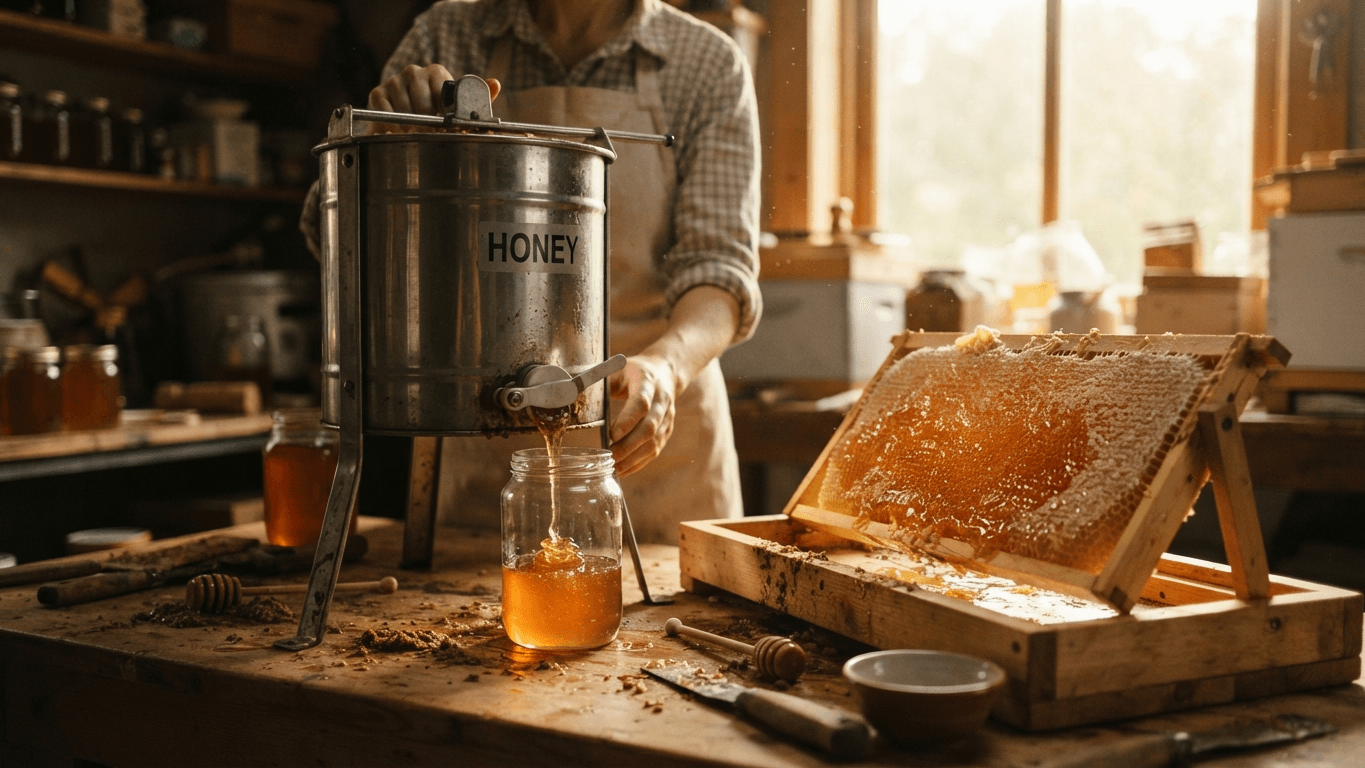
A complete step-by-step guide to harvesting honey for the first time. When to harvest, equipment options, the day-of process, bottling, labelling, and how much to leave for the bees.
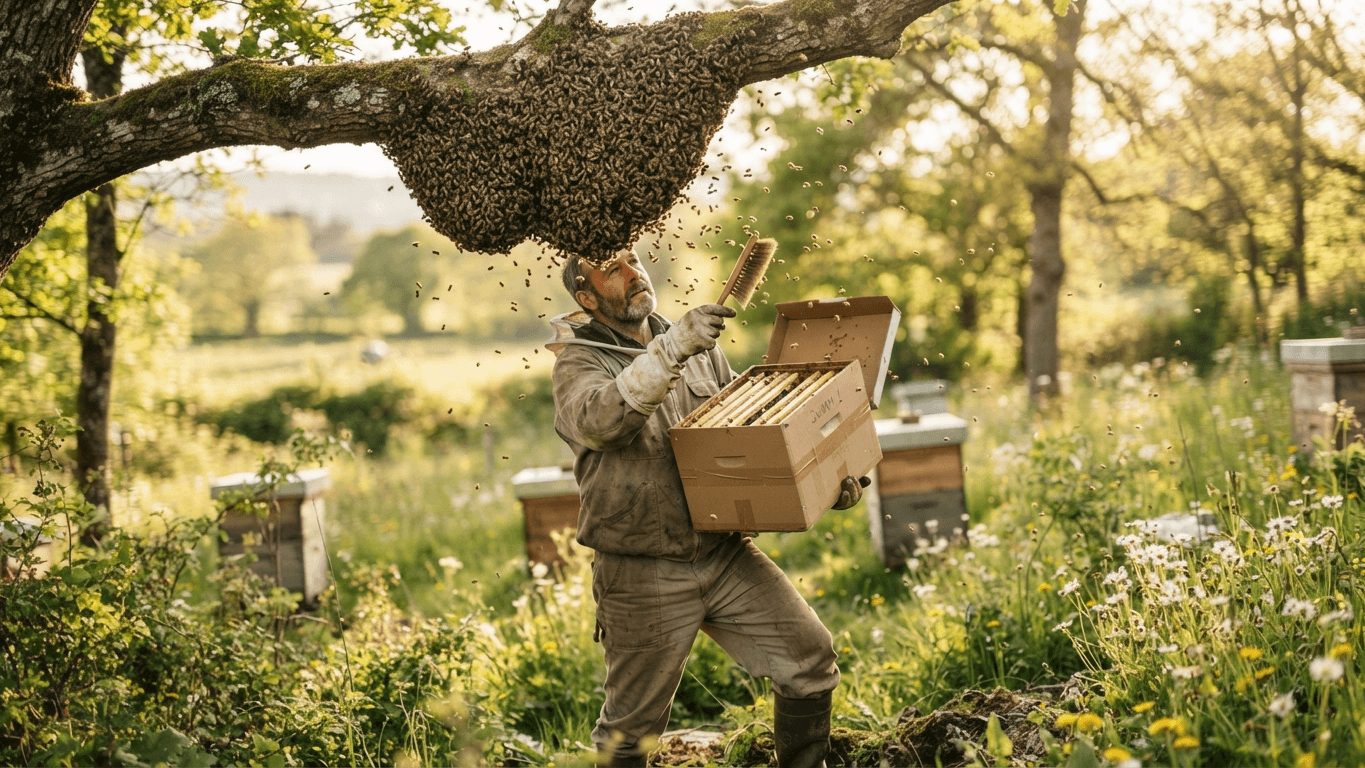
How to catch a honey bee swarm safely — gear, the actual capture, hiving the swarm, and what to do in the first 72 hours so the colony stays put.
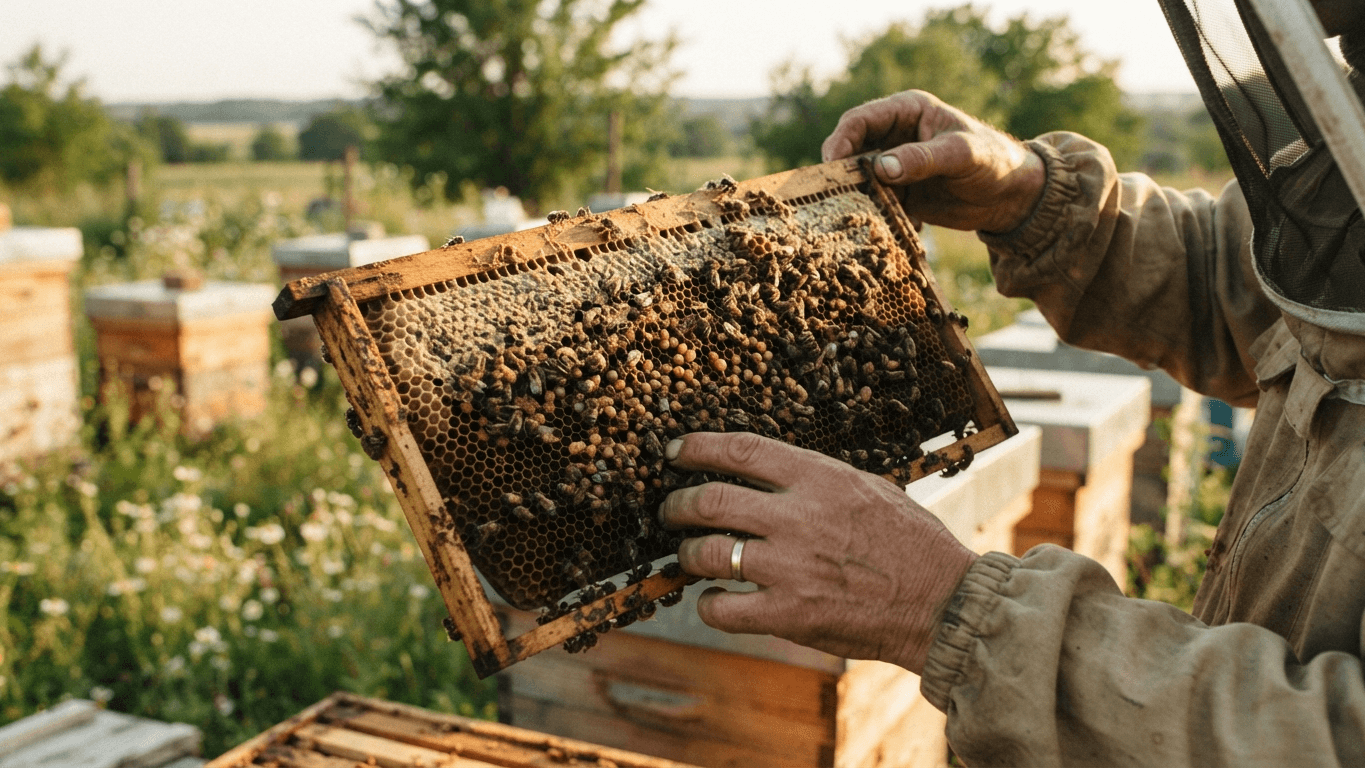
How to detect a queenless hive — no eggs, laying workers, queenless roar, and the frame-of-brood test. With a decision tree for what to do once you confirm it.
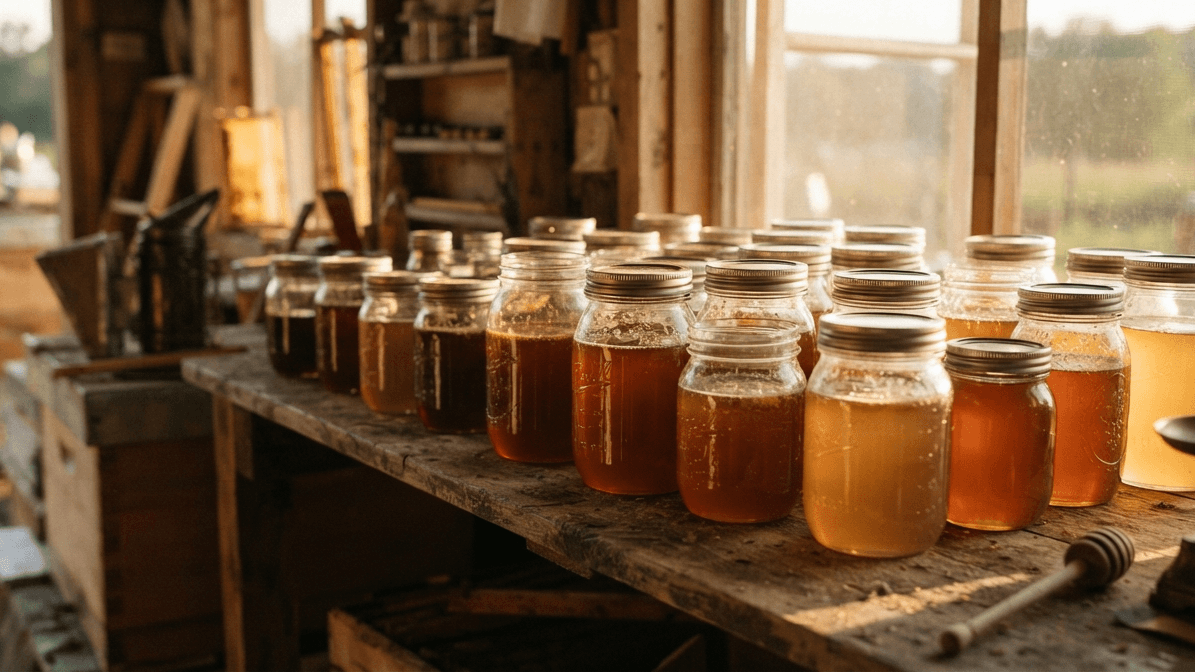
How much honey does one hive produce per year? 30–60 lb from an established hive is the honest average. Here’s what actually drives your number up or down, region by region, year by year — and how a beehive’s honey production really works.
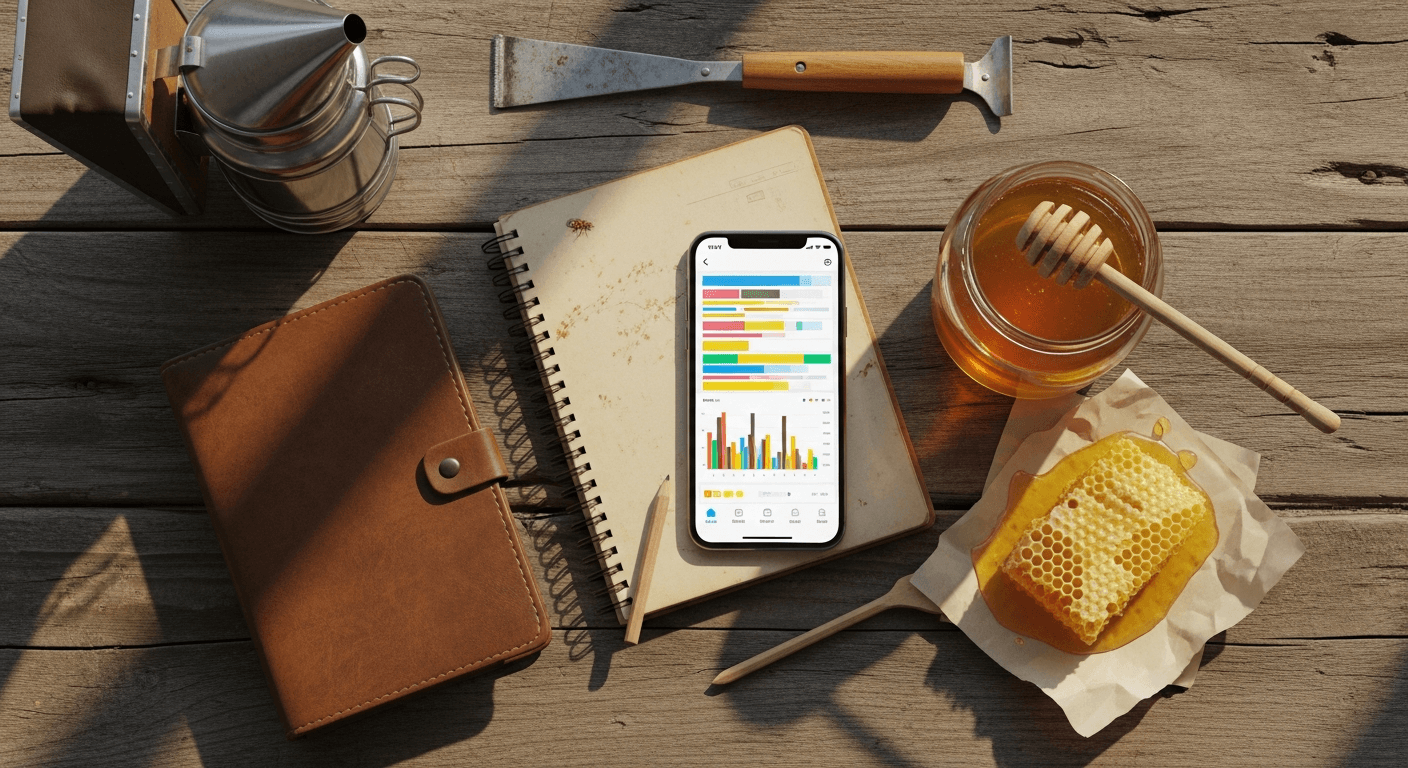
An honest, side-by-side comparison of the best beekeeping apps in 2026 — HiveSense, HiveTracks, HiveBook, Apiary Book, BeeKeepPal and more. Comparison table up front, a real free-tier breakdown, and a who-it’s-for / who-it’s-not-for verdict for each. Offline support, voice notes, BLE sensors, pricing.
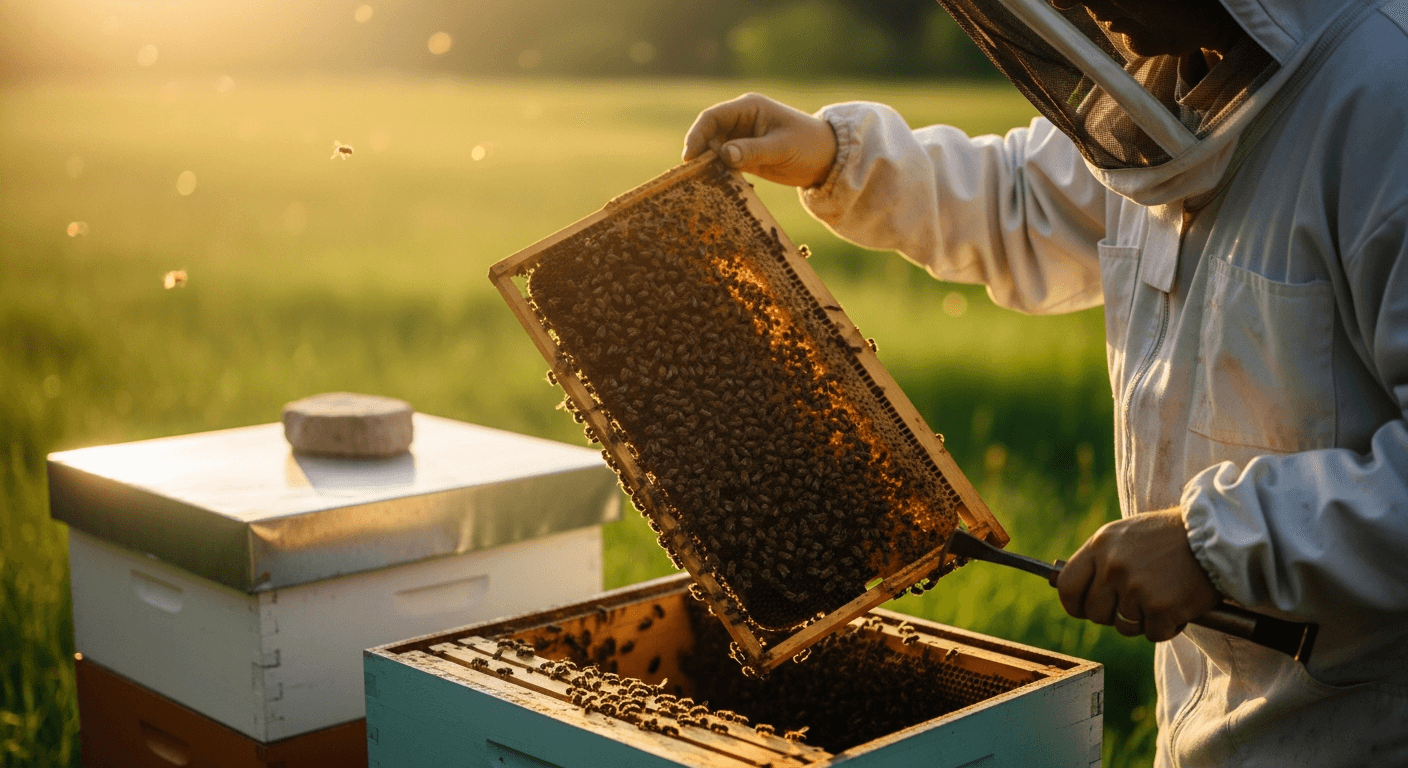
A step-by-step beehive inspection checklist covering what to look for, how to record observations, and when to take action. Perfect for beginners and experienced beekeepers.
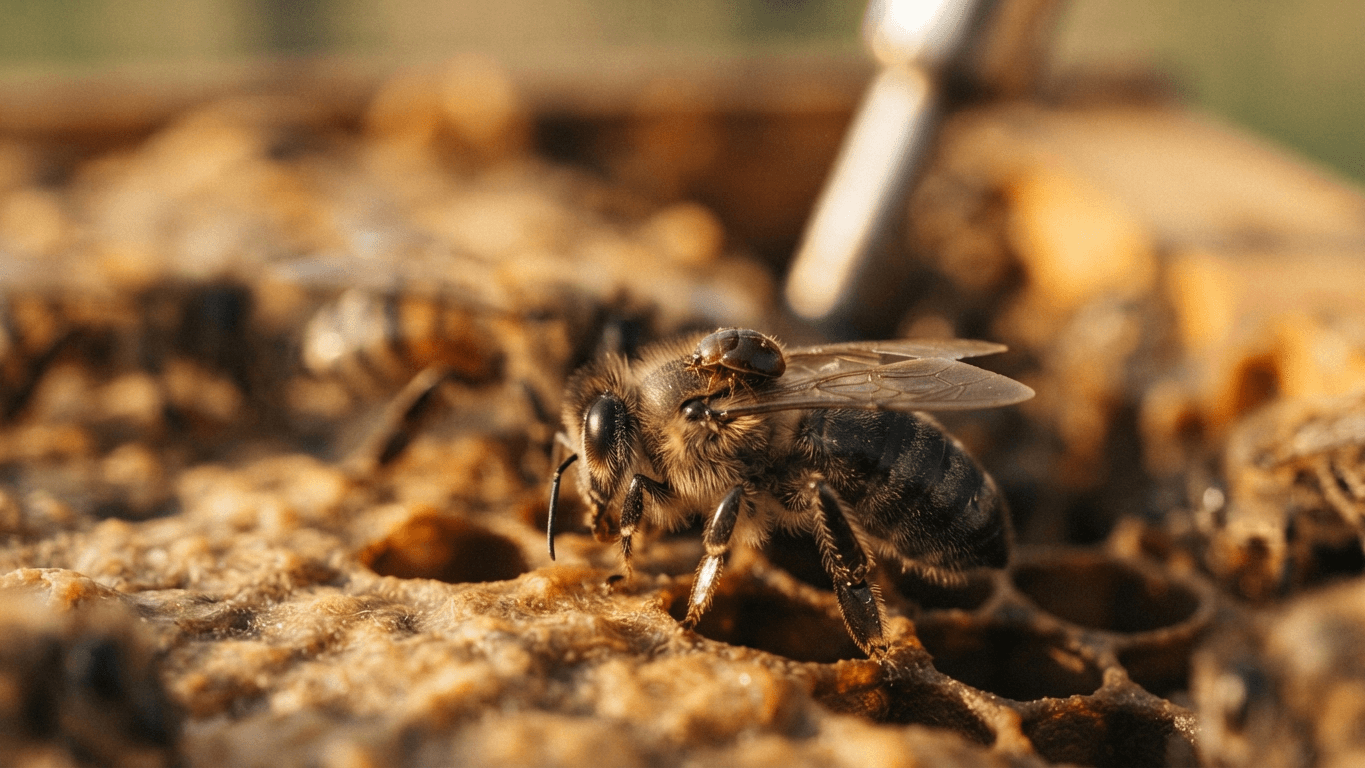
Complete guide to Varroa mite treatment for honey bees. Covers oxalic acid, formic acid, Apivar, thymol, the Varroa mite life cycle, and integrated pest management (IPM) strategies for every season.
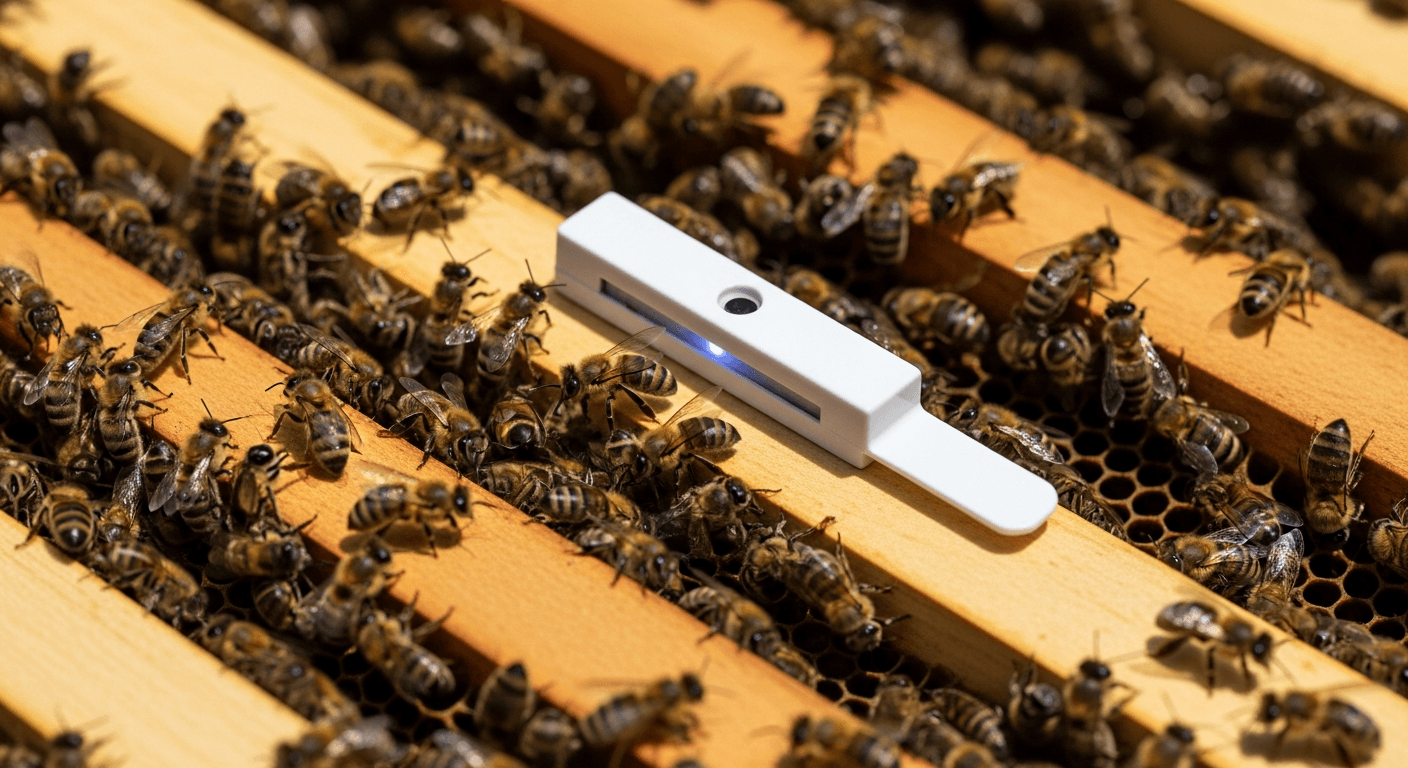
Step-by-step guide to installing BroodMinder T2, TH, and W scale sensors. Covers placement, battery life, BLE range, the Bees app and MyBroodMinder, and what to do when things go wrong.
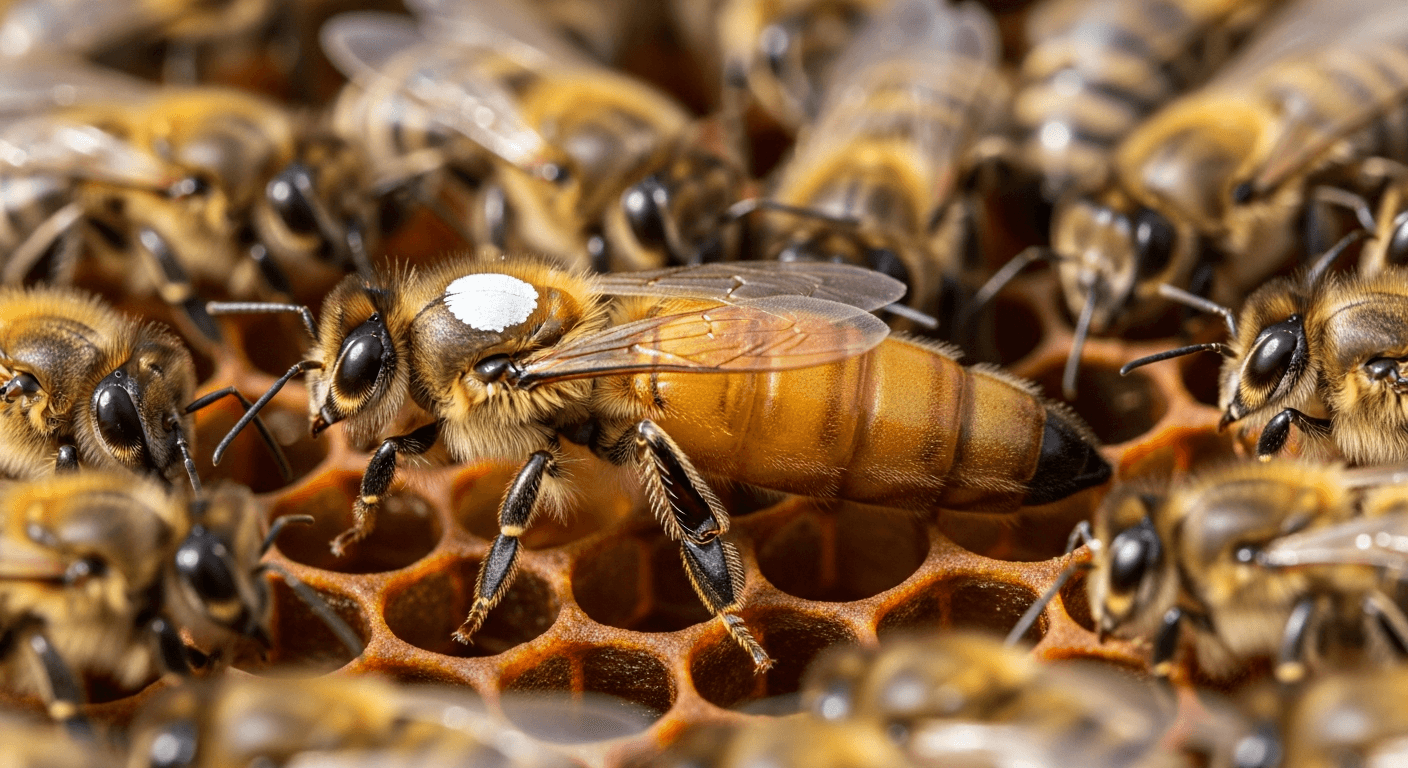
The beekeeper guide to queen tracking — marking queens, scoring performance, spotting failing queens early, and building a record system that lets you breed from your best colonies.
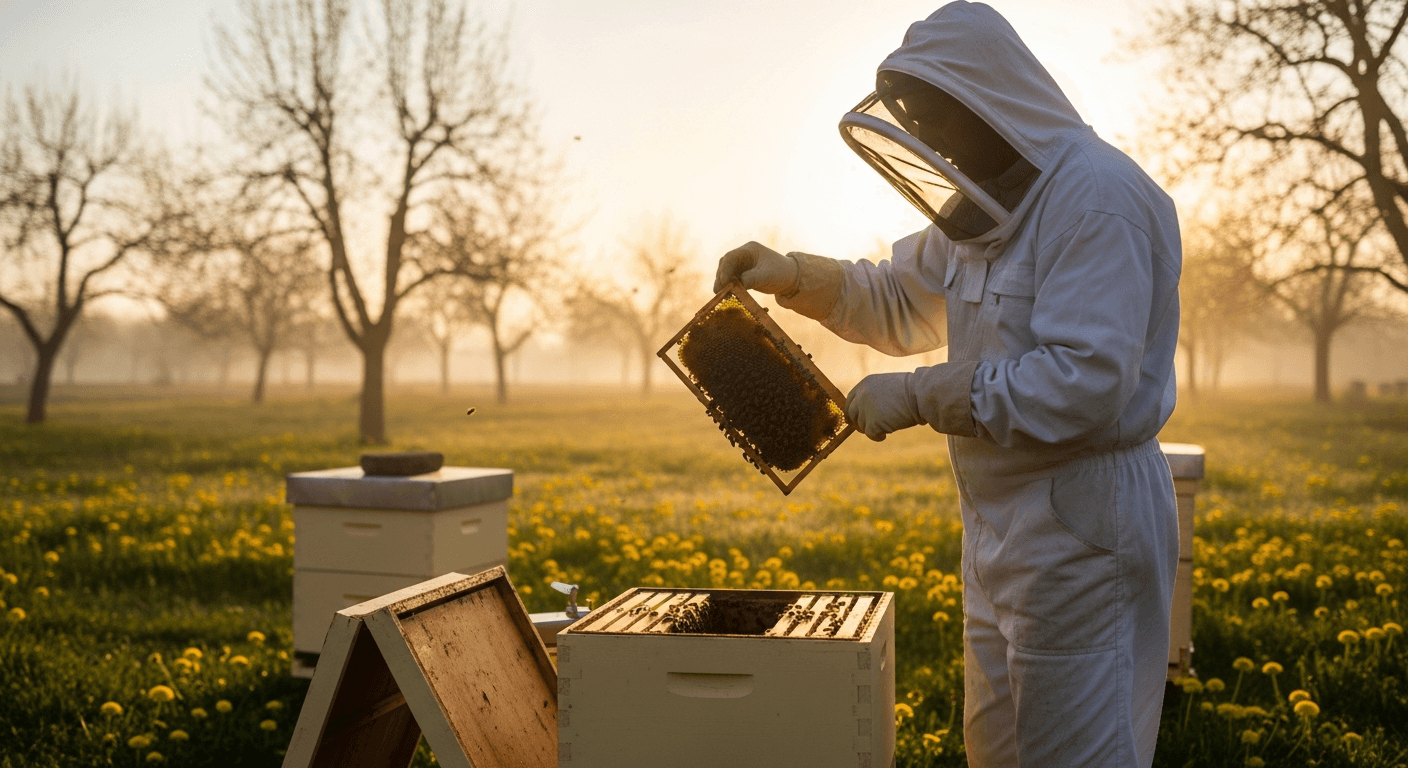
When to do your first spring inspection, what to look for, how to assess population and food stores, and the common spring problems and how to fix them.
Why remote apiaries have no signal, how beekeepers really keep records in the field, and why offline-first software matters for serious hive management.
We use cookies to measure our ads and improve the site. Learn more