Honey Traceability & Beekeeping Trends in 2026
How verification, blockchain traceability, and certification are reshaping beekeeping in 2026 — plus the sustainability, urban, and climate trends driving demand for provably authentic honey.
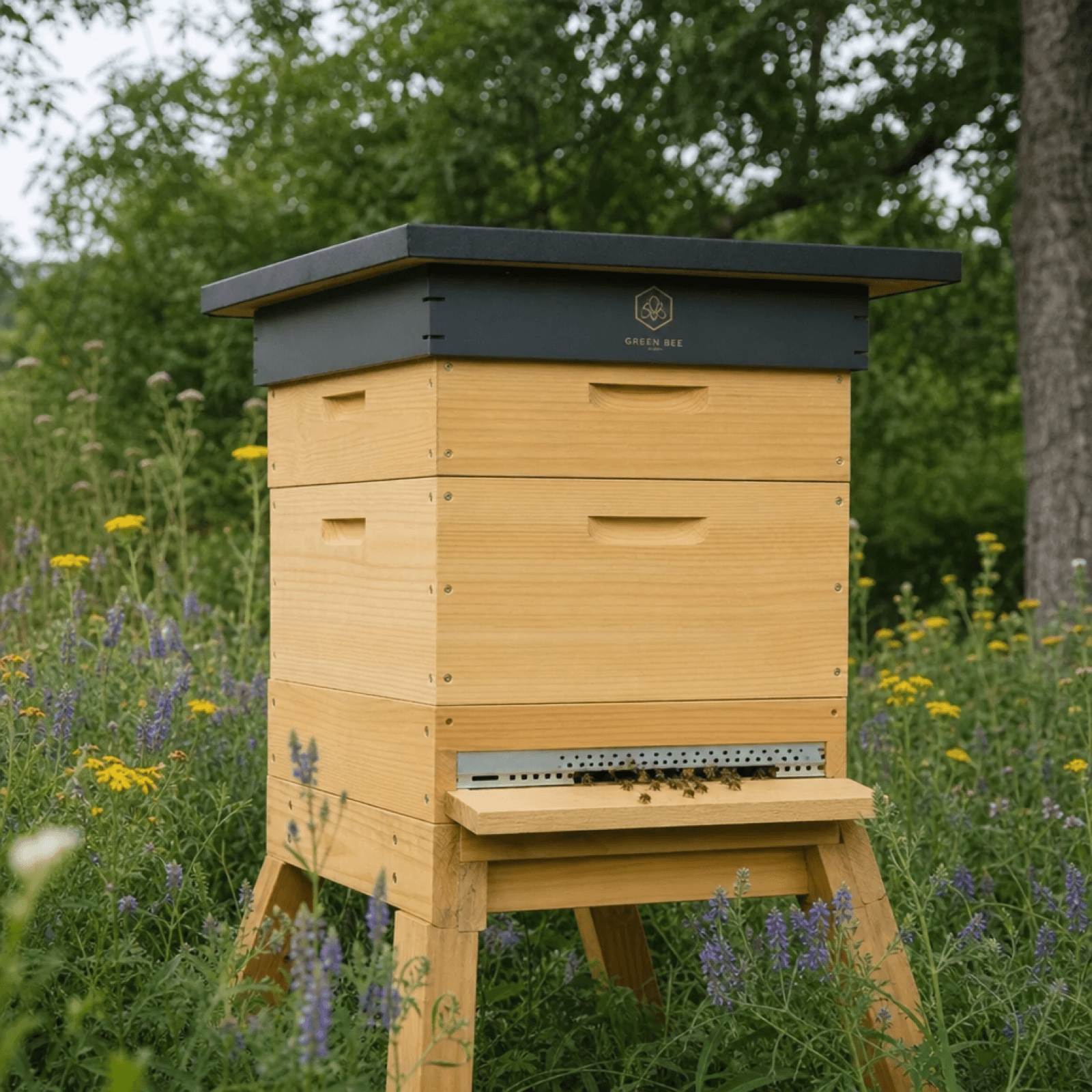
The Trend Behind the Trends: Provable Honey
The biggest shift in beekeeping in 2026 isn't a sensor — it's accountability. Consumers, regulators, and buyers increasingly want honey they can verify: where it came from, who produced it, and that it's the real thing and not a sugar-syrup blend. Honey is one of the most adulterated foods in the world, and that fact is now driving a wave of verification, certification, and traceability technology across the industry.
For a hobbyist this can feel distant — until you sell a jar at a farmers' market and someone asks where it's from. The trends below are connected: sustainability practices, urban production, and climate adaptation all feed the same demand for honey with a credible story behind it. Here's what's actually changing, and what it means for the records you keep.
Verification, Traceability, and Blockchain
Traceability means following a batch of honey from a specific hive to the shelf, with each step recorded so it can't be quietly altered. The headline technology is blockchain — a tamper-evident ledger where each honey batch is logged with its origin, harvest date, and chain of custody. The point isn't the buzzword; it's that the record can't be edited after the fact, which is exactly what makes an authenticity claim trustworthy.
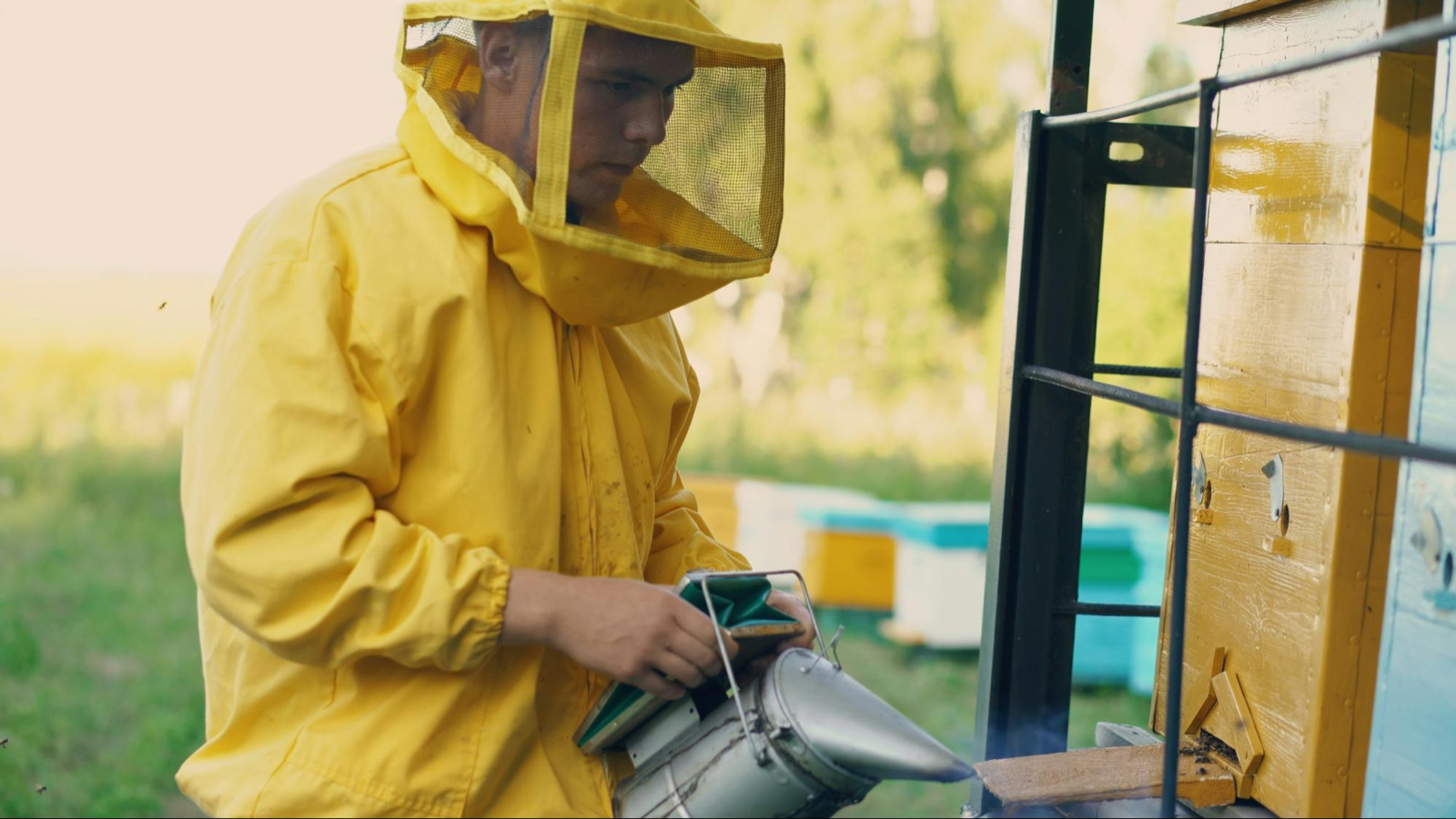
Photo by Vitaly Gariev on Unsplash.
What verification programs actually deliver:
- Tamper-evident records — origin and handling can't be rewritten later.
- Supply-chain transparency — buyers can trace a jar back to a region or apiary.
- Fraud protection — provable provenance pushes back against adulteration that hurts honest beekeepers and consumers alike.
How the common verification approaches compare:
| Method | What it proves | Effort | Best for |
|---|---|---|---|
| Per-hive records (CSV/PDF) | Origin, treatments, harvest dates | Low — a logging habit | Every beekeeper; the foundation for the rest |
| Lab testing (C4 sugar, pollen) | Honey isn't adulterated; floral source | Medium — paid per batch | Sellers making purity or varietal claims |
| Certification (organic, origin) | Independently audited practice | High — audit + fees | Premium and export markets |
Keep Records You Can Actually Prove
Per-hive history, treatment logs, and exportable records — the paper trail traceability programs ask for.
You don't need a blockchain to participate. The foundation of any traceability claim is good per-hive records: which colony, which harvest, what treatments, what dates. If your records are solid and exportable, you're already most of the way there — which is why owning and exporting your data matters more than any single platform feature.
Certification and Policy
Verification is increasingly formalized through certification — organic, regional-origin (think protected designations like Manuka or specific European regions), and treatment-free schemes. Certified honey commands higher prices precisely because the certification is the proof. Governments are also moving: stricter labeling rules and import testing for adulteration are tightening, and that regulatory pressure rewards beekeepers who can document their practices.
The practical takeaway: certification and policy both run on documentation. The beekeeper who logged every treatment and harvest can certify; the one relying on memory can't. If you're thinking about selling, the beekeeping business path increasingly starts with a record-keeping habit, not a marketing plan. Certification tends to pay for itself; see our beekeeping income breakdown for where those margins actually come from.
Sustainability and Hive Innovation
Sustainable practice is no longer a niche — it's becoming the baseline buyers expect. The trends here are concrete:
- Chemical-reduced pest management — monitoring and threshold-based treatment instead of calendar spraying.
- Better hive design — improved ventilation and moisture control that reduce colony stress and disease.
- Renewable materials and solar-powered monitoring — lowering the footprint of the operation itself.
These tie back to honey value: a documented sustainable practice is a story a buyer will pay for, and it's only credible if it's recorded. Yield and quality compound when colonies are healthy — our look at how much honey a hive produces shows how much management drives the number.
Urban Beekeeping and Community
Urban beekeeping keeps growing — rooftops, balconies, and community gardens turning into apiaries. It supports pollination in concrete environments, builds local food awareness, and creates a genuine niche market for hyper-local honey.
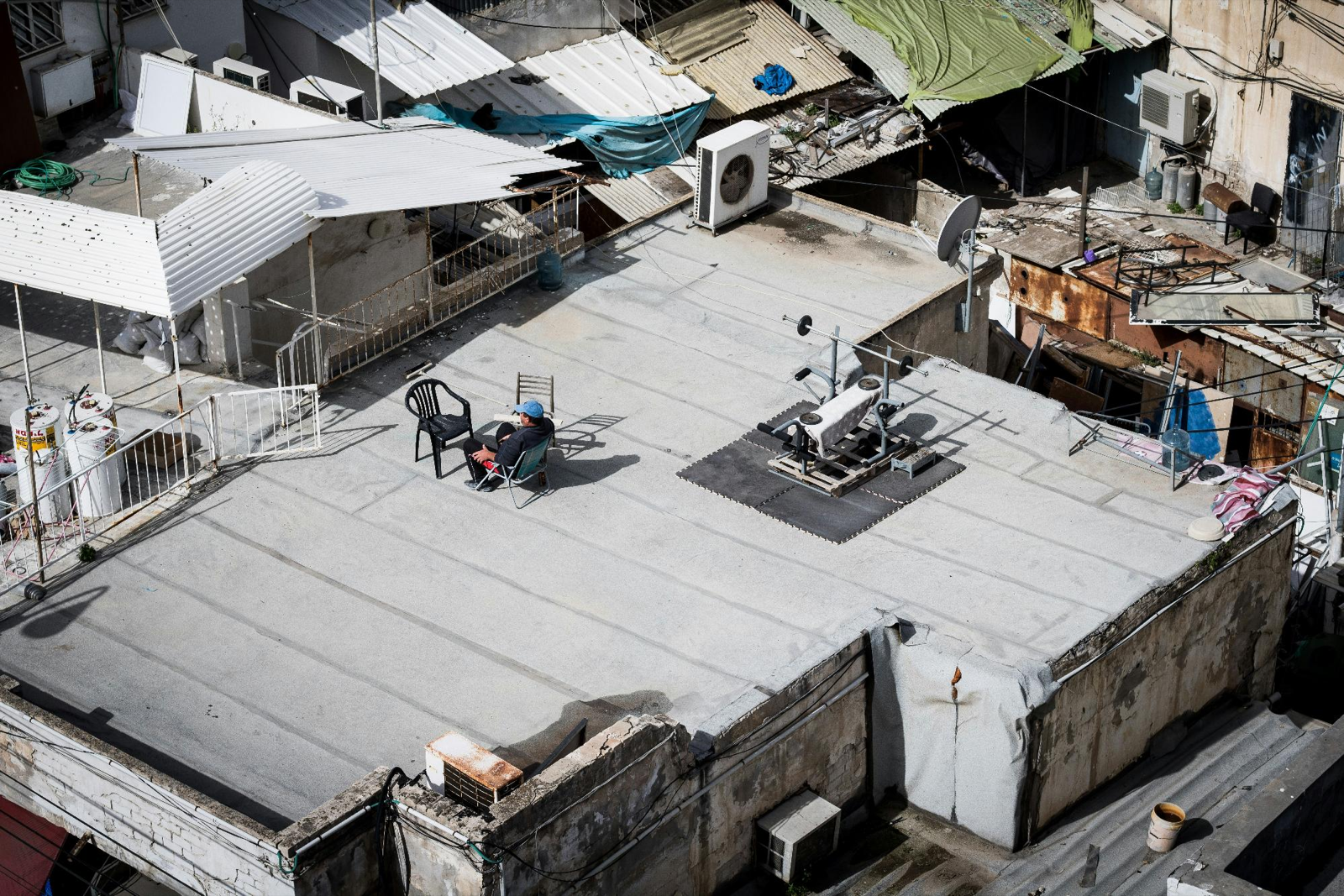
Photo by Daniel Lerman on Unsplash.
Urban honey is, almost by definition, a traceability story — buyers want this neighborhood's honey, and that provenance is the product. Community apiaries, workshops, and local honey tastings all reinforce the same thing the verification trend is built on: people increasingly want to know exactly where their honey comes from.
Climate Adaptation
Climate change is reshaping the calendar beekeepers work to — shifting bloom times, erratic weather interrupting foraging, harder winters in some regions and milder ones in others. Beekeepers are adapting with hive insulation, diversified year-round forage planting, and adjusted management timing. This matters for traceability too: as conditions get less predictable, the beekeepers who keep good seasonal records are the ones who can actually see what's changing and respond, rather than guessing from one bad year.
What This Means for You
You don't need to adopt blockchain to ride these trends — but you do need the thing underneath all of them: honest, per-hive, exportable records. Verification, certification, sustainability claims, and provenance stories all rest on documentation you can produce on demand. The beekeeping industry is moving toward "prove it," and the beekeepers positioned to benefit are the ones who already write it down. Medical advances are part of this shift too — the arrival of licensed honey bee vaccines is exactly the kind of documented, verifiable practice that buyers and regulators are starting to ask about.
The Bottom Line
The throughline of 2026's beekeeping trends is verification: consumers and regulators want provable honey, and every adjacent trend — sustainability, urban production, certification, climate adaptation — feeds that demand. The technology (blockchain, sensors, certification schemes) is just scaffolding around a simple habit. Keep clean, exportable records of every hive, harvest, and treatment, and you're ready for whatever proof the market asks for next.
Keep Records You Can Actually Prove
Per-hive history, treatment logs, and exportable records — the paper trail traceability programs ask for.
Free for up to 15 hives. No credit card required.
More from the blog
View allHow to Harvest Honey: First Year Step-by-Step (2026 Guide)
A complete step-by-step guide to harvesting honey for the first time. When to harvest, equipment options, the day-of process, bottling, labelling, and how much to leave for the bees.
How to Find the Queen Bee in a Hive (Without a Teardown)
Where the queen actually sits in the nest, what separates her from a worker at a glance, the six-step search that works, and what to do when you cannot find her.